
Play Above the Clouds
Above the Clouds Screenshots
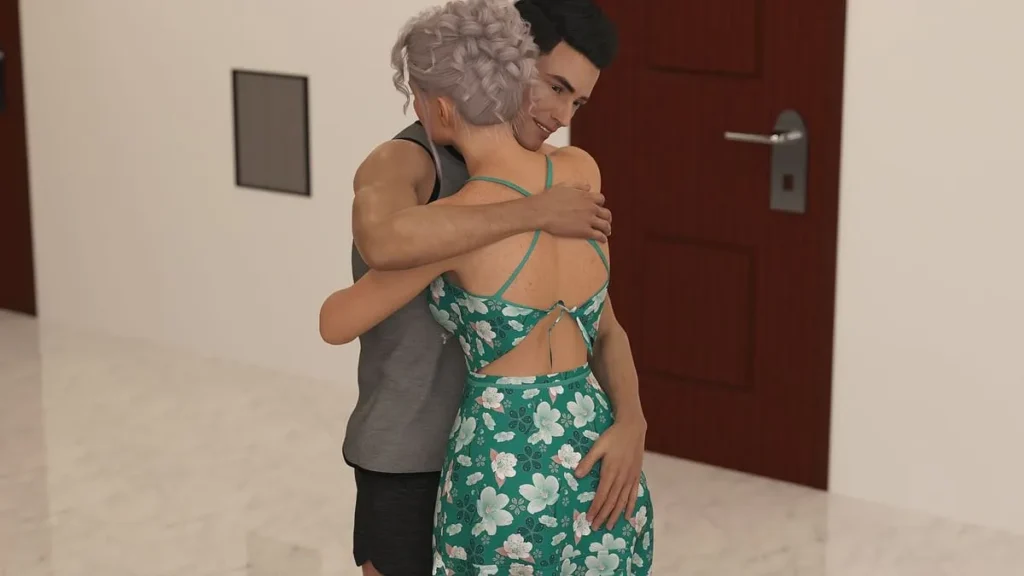

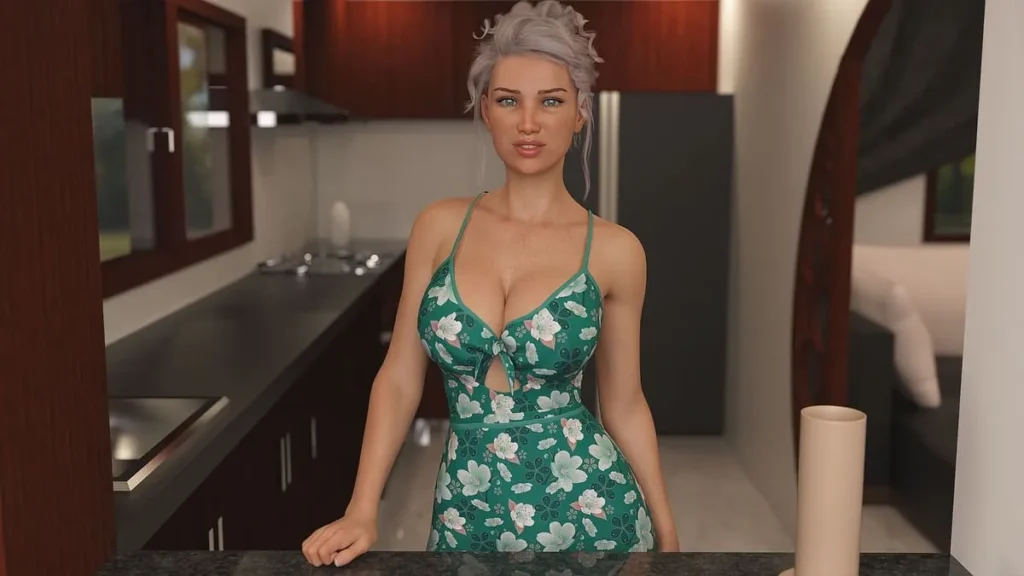






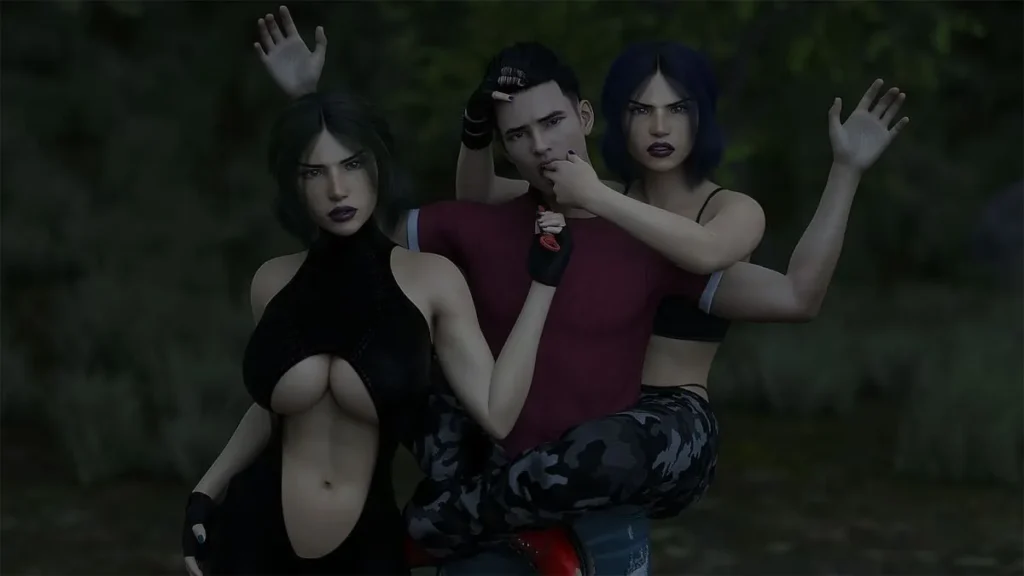

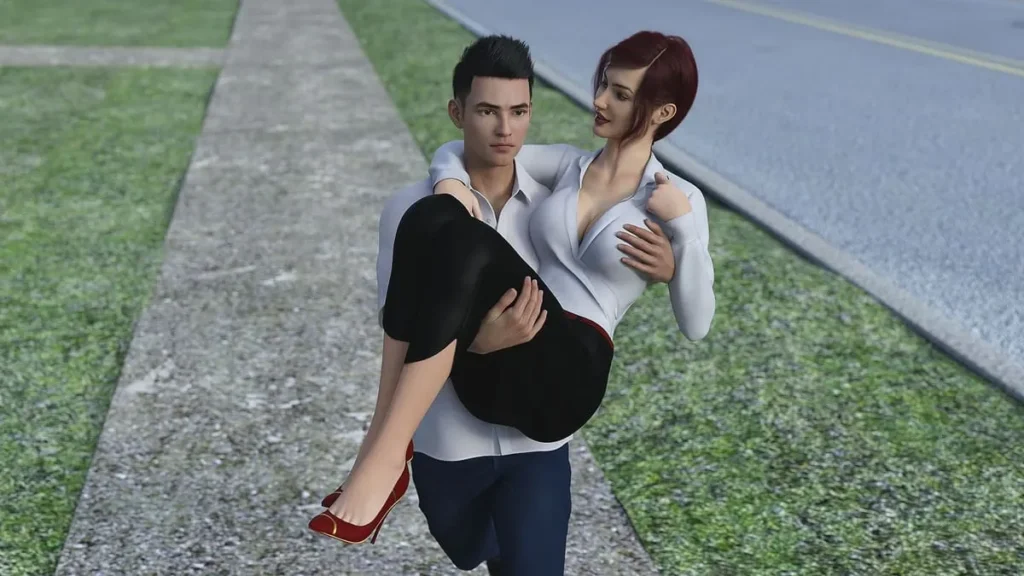




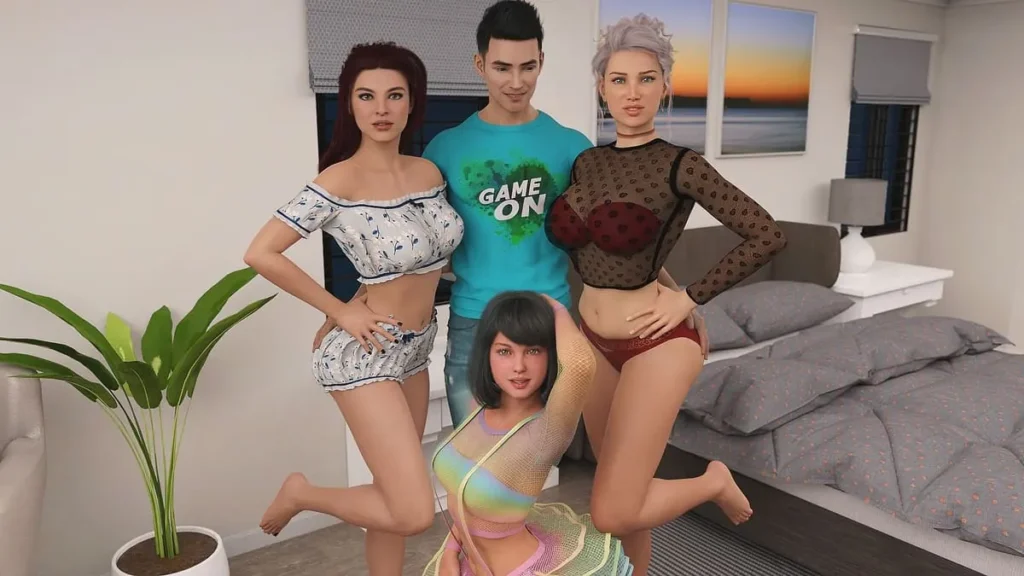



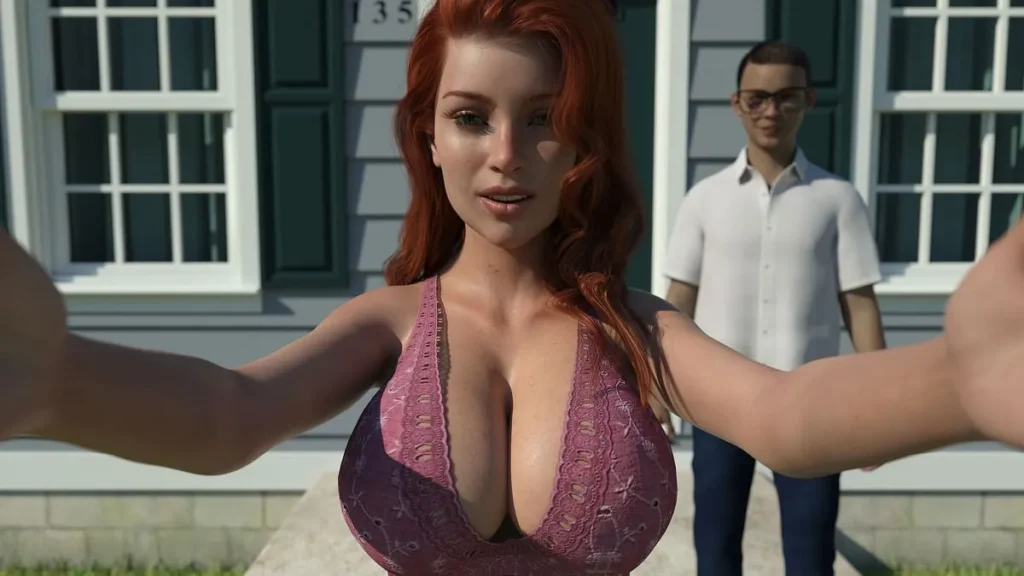
Above the Clouds review
Exploring the quirky storytelling, humor, and choice-driven gameplay of this adult visual novel
Above the Clouds Episode 1 stands out as a humorous and quirky choice-driven visual novel that blends adult themes with engaging storytelling. This game offers players a unique experience through its light-hearted approach to narrative-driven gameplay, combining romance, drama, mystery, and comedy into one package. If you’re curious about what makes this visual novel different from others in its genre, or you’re considering diving into its world, this guide explores the key aspects that define the Above the Clouds experience and what players can expect from Episode 1.
What Makes Above the Clouds Episode 1 Stand Out
Ever find yourself scrolling through endless digital storefronts, feeling like every visual novel promises the same melodramatic romance or grimdark mystery? 🙄 You’re not alone. I’ve clicked through more static backgrounds and read more predictable dialogue than I care to admit. But then, something different floats into view. Above the Clouds Episode 1 doesn’t just ask for your attention; it earns it with a wink, a nudge, and the genuine promise that your choices here actually matter. This isn’t just another path through a pre-determined forest; it’s a launchpad for your own quirky, character-driven adventure.
What we have here is a masterclass in blending genres and player expectations. It takes the familiar framework of choice-driven narrative games and injects it with a potent dose of personality, creating a truly unique interactive fiction experience. If you’ve been craving a game where the writing is as sharp as the branching paths, and where “adult” means mature themes handled with clever wit rather than sheer grit, then buckle up. We’re about to explore what makes this first episode soar where others simply tread water.
The Unique Storytelling Style and Narrative Approach
Let’s cut to the chase: many visual novels live or die by their premise. A great hook can carry you through hours of so-so execution. Above the Clouds Episode 1 flips that script. Its premise—a chance encounter that pulls you into a world of eclectic personalities and simmering mysteries—is solid, but it’s the execution that is nothing short of brilliant. The game establishes a narrative voice that is immediately distinct, weaving its adult visual novel storytelling not through gratuitous scenes, but through intelligent dialogue, situational comedy, and character dynamics that feel authentically messy and human.
The genius lies in its tonal balance. One moment you’re navigating a laugh-out-loud awkward social situation, and the next, you’re picking up on subtle cues of a deeper, more poignant backstory. This isn’t a story that shouts; it’s one that converses. It trusts you to read between the lines, making the interactive fiction experience feel collaborative. You’re not a passive consumer of a story; you’re an active participant in its tone, deciding whether to lean into the humor or probe the emerging drama.
The visual novel character development is its bedrock. Characters aren’t introduced as mere archetypes (the tsundere, the childhood friend). Instead, they arrive as fully formed individuals with quirks, contradictions, and motivations that unfold naturally based on your interactions. Your dialogue choices directly influence how much they reveal, who they trust, and ultimately, who they become in your version of the story. This focus on depth over tropes is a breath of fresh air.
My Personal Insight: In my first playthrough, I approached a key character with sarcasm, and the game met me there, resulting in a hilarious, barb-filled exchange. On a replay, I chose empathetic options. To my surprise, that same character revealed a layer of vulnerability I never saw coming, completely changing my perception of them and altering subsequent story beats. That’s powerful storytelling.
Here are the key features that distinguish Above the Clouds Episode 1 from other titles in the genre:
- A Narrative that Breathes: The story isn’t on rails. It pauses, it wanders into amusing tangents, and it allows characters to just be, creating a living world rather than a plot delivery system.
- Quirk as a Core Feature: The “quirky” label isn’t just a marketing tag. It’s embedded in the art style, the music, the UI, and especially the dialogue. This consistent identity makes the world believable and charming.
- Themes Over Tropes: While it engages with common visual novel themes (connection, mystery, romance), it does so through original scenarios and character decisions that avoid cliché.
- Episodic Pacing Done Right: Episode 1 feels like a complete, satisfying narrative arc while masterfully planting seeds for the larger series. It’s a perfect first chapter that leaves you eager for the next, not frustrated by a cliffhanger.
To understand how its narrative elements work in harmony, consider this breakdown:
| Narrative Element | Traditional Visual Novel Approach | Above the Clouds Episode 1 Approach |
|---|---|---|
| Dialogue | Often exposition-heavy or purely functional to advance plot. | Serves as the primary tool for characterization, humor, and world-building. Every line has personality. |
| Pacing | Can be rigid, rushing between key plot points or common story beats. | Fluid and organic. It values character moments as much as plot milestones, creating a more natural rhythm. |
| Adult Content | Frequently explicit and segregated from the main narrative flow. | Integrated into the story’s tone—often humorous or emotionally charged, focusing on mature situations and relationships rather than mere depiction. |
Humor and Tone: Light-Hearted Adult Entertainment 🎭
This is where Above the Clouds truly separates itself from the pack. The term “adult visual novel” often conjures a specific, and let’s be honest, often dour, image. This game boldly challenges that notion, proving that adult visual novel storytelling can be smart, playful, and uproariously funny without sacrificing depth. Its humor isn’t just comic relief; it’s a foundational pillar of its identity and a key reason it stands among the best humorous visual novel games.
The comedy stems from character. It’s the irony of a supremely confident character being undone by something mundane. It’s the witty, self-aware banter between personalities that clash in the most entertaining ways. The game has a fantastic grasp of comedic timing, using the visual novel format—pauses, specific character sprites, sound effects—to land jokes with the precision of a seasoned comic. You’ll find yourself genuinely laughing out loud, not just smiling at a screen.
But don’t mistake light-hearted for lightweight. The “adult” aspect is handled with remarkable maturity and accessibility. It deals with complex emotions, personal baggage, and the realities of relationships (both budding and strained) with a deft touch. The tone remains accessible because it’s rooted in relatability. The characters feel like people you could know, with flaws and aspirations that resonate, even when their situations are extraordinary. This balance makes the game’s world inviting; you want to spend time there, to learn more, and to see how your choices play out in this vibrant, funny, and heartfelt space.
A Quick Case Study: Early in the game, there’s a scene that could, in a less capable narrative, veer into pure awkwardness or melodrama. Here, it’s played for situational comedy, revealing crucial aspects of two characters’ personalities through their hilariously bad attempts to navigate the moment. It’s a scene that accomplishes three things at once: it makes you laugh, it develops character, and it deepens your investment in their dynamic. That’s efficient, brilliant writing.
Choice-Driven Gameplay and Player Agency 🎮
Alright, let’s talk mechanics—the real heart of any great interactive fiction experience. Many games promise that “your choices matter,” but in Above the Clouds Episode 1, this isn’t a hollow tagline. It’s the core design philosophy. The visual novel gameplay mechanics here are engineered to provide genuine player agency, making you the author of your unique story’s tone and direction.
The system of branching narrative choices is sophisticated yet intuitive. Choices aren’t just binary good/evil or romantic/platonic forks in the road. Instead, they often reflect personality and approach: Will you be the charming smooth-talker, the sincere listener, or the sarcastic observer? These decisions don’t just change a line of dialogue; they actively shape relationships, open up (or close off) entire conversation threads, and influence how other characters perceive and react to you for the remainder of the episode. This creates a powerful sense of ownership over the narrative.
This depth is what defines the best choice-driven narrative games. In Above the Clouds, you’re not merely selecting a pre-written route from a menu. You’re crafting a unique version of the protagonist through micro-decisions that accumulate. Are you building a connection with Character A based on mutual respect, or with Character B through shared humor? The game remembers, and the story contours itself accordingly. This makes replayability not a chore, but a delight, as you discover entirely different shades to the story and its inhabitants.
Specific Example of Player Choice Impact:
Let’s dive into a non-spoilery example of how this works. Midway through Episode 1, you’re with two characters discussing a past event. You’re given three response options that seem, on the surface, to be simple tonal choices:
1. A lighthearted, joke-deflecting response.
2. A direct, inquisitive response pushing for details.
3. A cautious, change-the-subject response.
In a lesser game, all three might lead to the same eventual plot point. Here’s what happens in Above the Clouds:
* Choosing Option 1 strengthens your bond with the more jovial character, who appreciates the levity. It keeps the mood light but causes the more serious character to shut down slightly, making them harder to connect with later.
* Choosing Option 2 earns the respect of the serious character, unlocking a private, lore-heavy conversation with them later that explains key motivations. However, the jovial character feels you’re killing the vibe and becomes slightly more distant.
* Choosing Option 3 avoids immediate conflict but is noted by both characters as evasive. This can lead to a separate path where they later confront you about your reluctance to engage, forcing a different type of character moment.
See the difference? One choice ripples outward, affecting multiple relationships and the information you have access to. This is visual novel gameplay mechanics at their finest.
| Choice Type | Immediate Effect | Long-Term Narrative Influence |
|---|---|---|
| Personality-Driven (e.g., Sarcastic vs. Sincere) | Alters the immediate dialogue and character reaction. | Shapes how all characters view and interact with you, opening unique branches tied to your established “persona.” |
| Relationship-Driven (e.g., Support Character A or B) | Increases affinity with one character. | Can lock or unlock specific scenes, dialogue secrets, and influence which character’s sub-plot becomes the focal point. |
| Exploration-Driven (e.g., Ask about Topic X or Y) | Reveals specific pieces of world-building or backstory. | Provides context that makes later plot twists more impactful and can give you the intellectual tools to make more informed choices down the line. |
The true magic of Above the Clouds Episode 1 is how it synthesizes all these elements. The quirky storytelling makes you care about the world, the humor makes your time in it a joy, and the profound choice-driven gameplay puts the fate of that world—or at least, your personal experience within it—squarely in your hands. It’s a testament to the power of the visual novel format when every element, from writing to code, is aligned toward a single goal: giving you a story that feels uniquely, undeniably yours. This first episode isn’t just a great starting point; it’s a declaration of intent, promising an adventure where your voice is always part of the conversation.
Above the Clouds Episode 1 delivers a distinctive experience for players seeking a visual novel that doesn’t take itself too seriously while still offering engaging storytelling and meaningful choices. The game’s combination of humor, romance, drama, and mystery creates an entertaining narrative that appeals to fans of choice-driven interactive fiction. Whether you’re new to visual novels or a seasoned player looking for something with a lighter touch and quirky charm, Episode 1 provides a solid entry point into the series. The emphasis on player agency through meaningful choices ensures that your decisions genuinely shape the story, making each playthrough feel personal and unique. If you enjoy narrative-driven games with adult themes presented in a fun and accessible way, Above the Clouds Episode 1 is worth exploring.