Adventurer Trainer
Play Adventurer Trainer
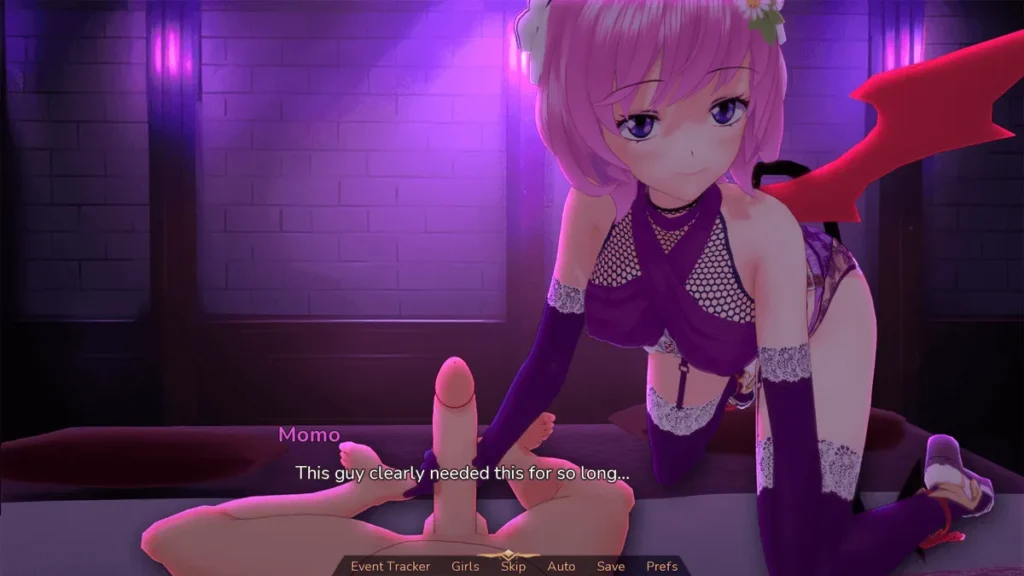
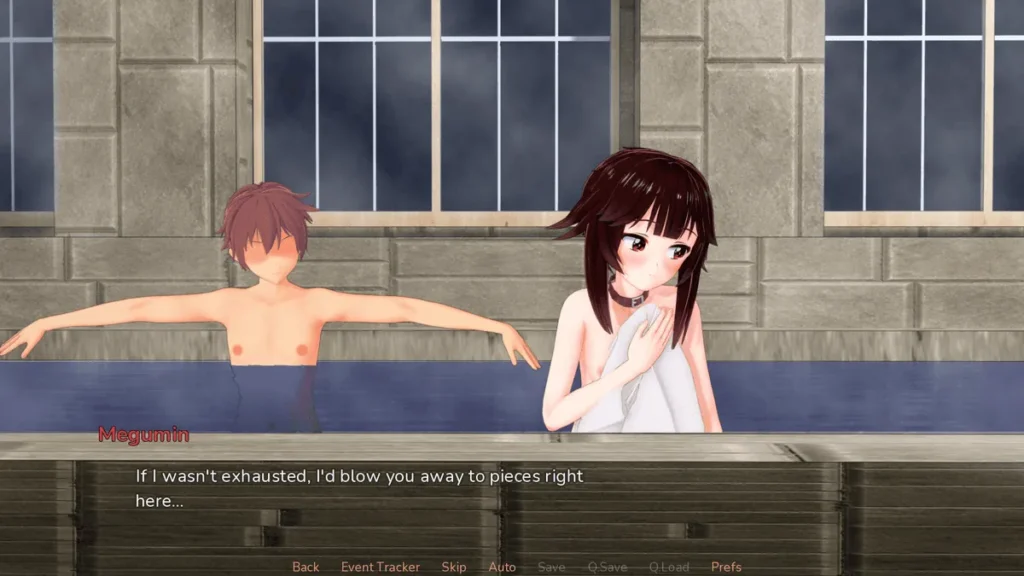
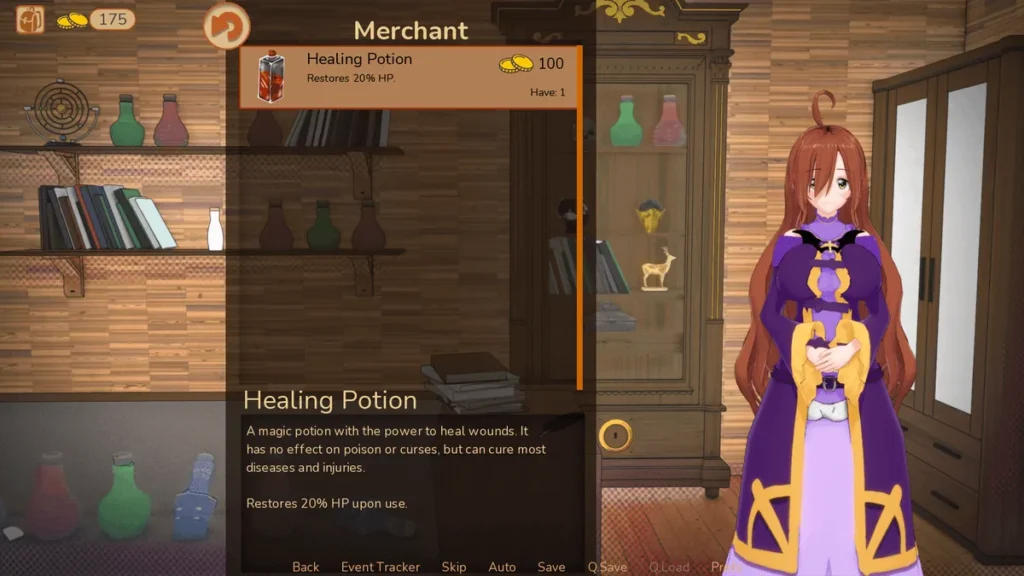
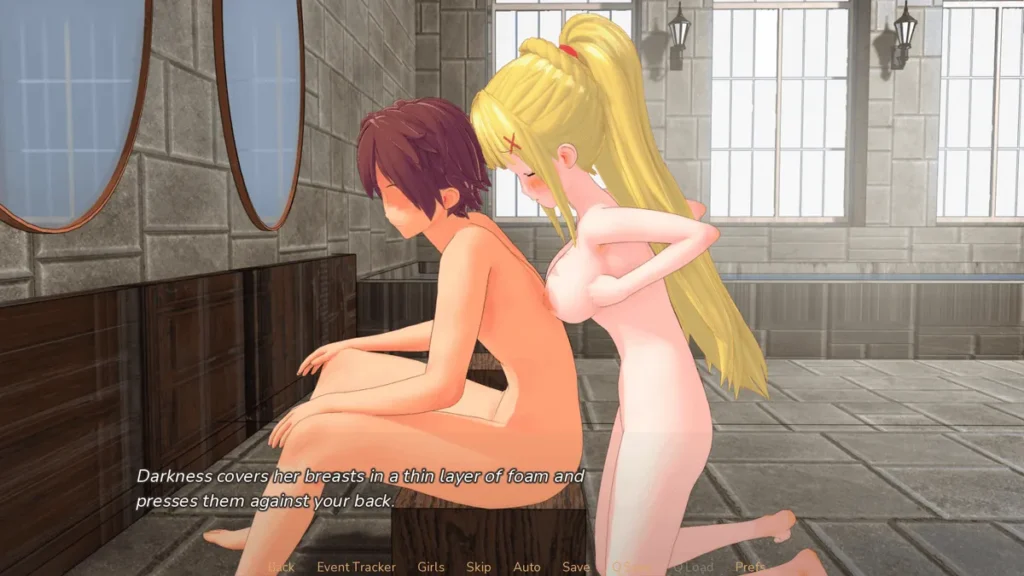
Adventurer Trainer Screenshots


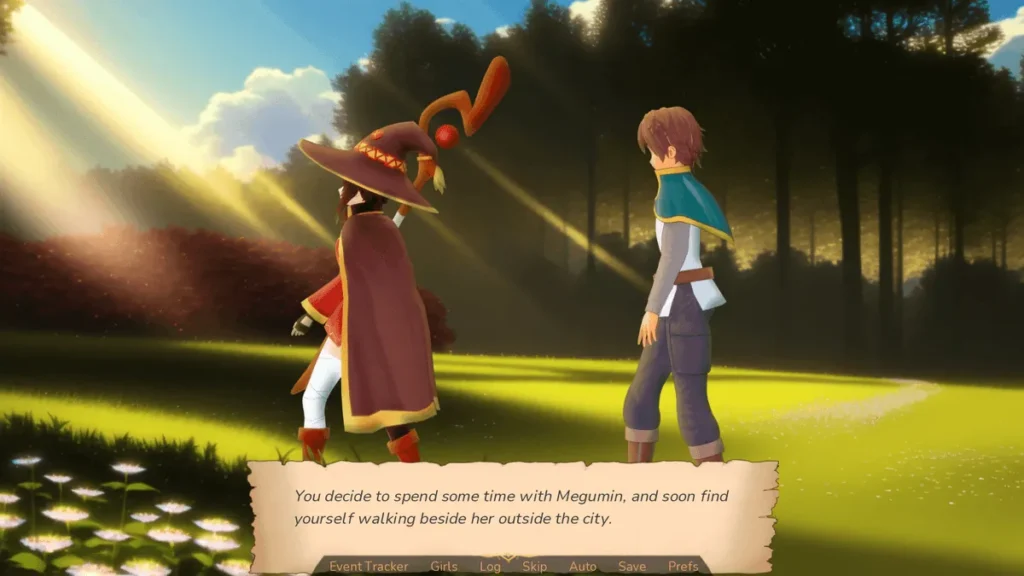
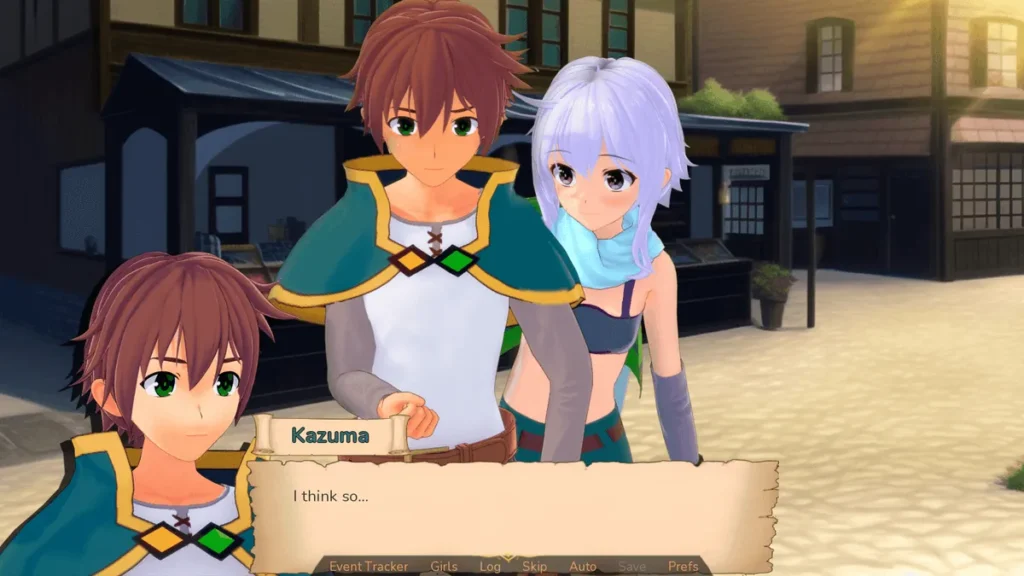
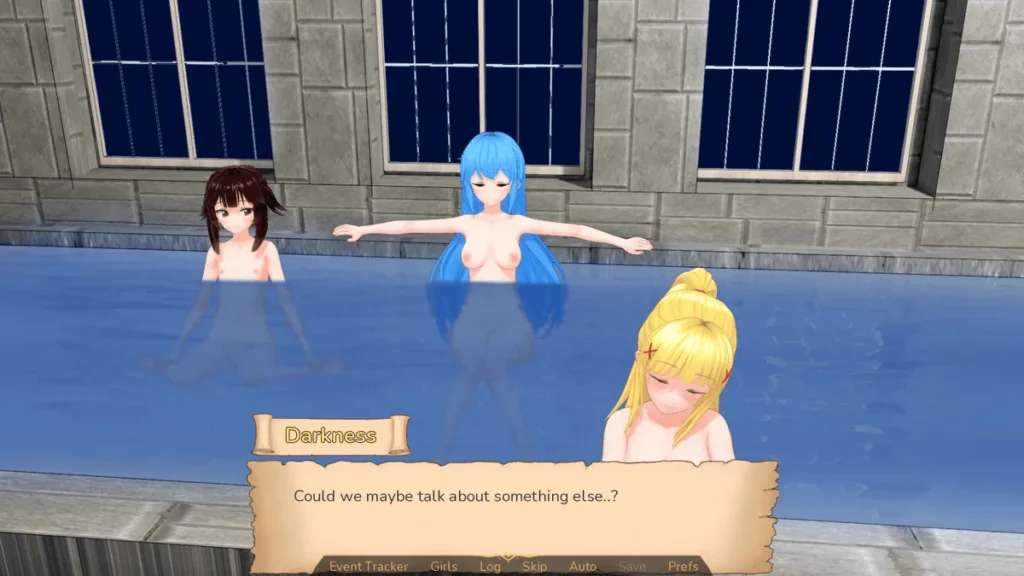
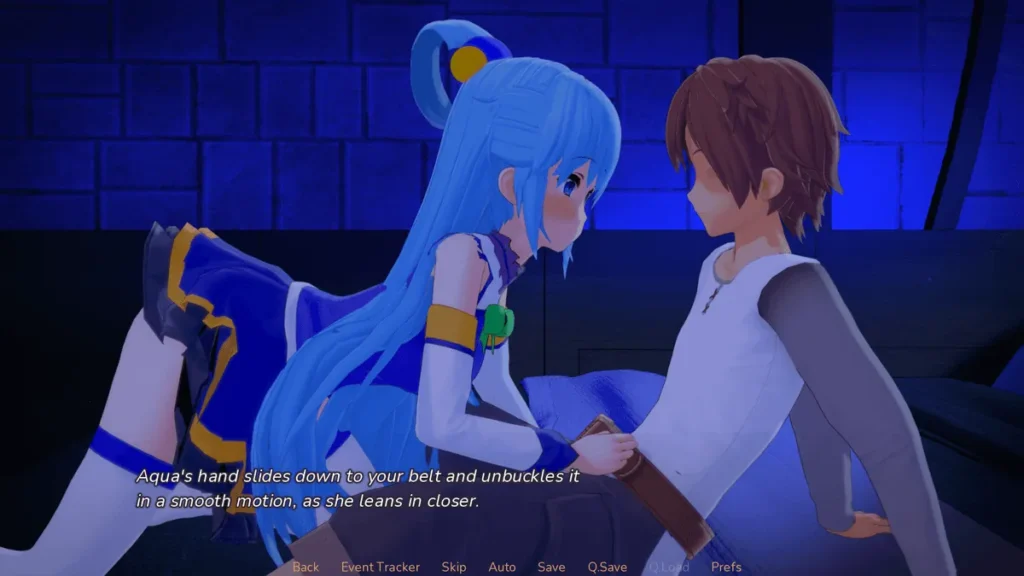
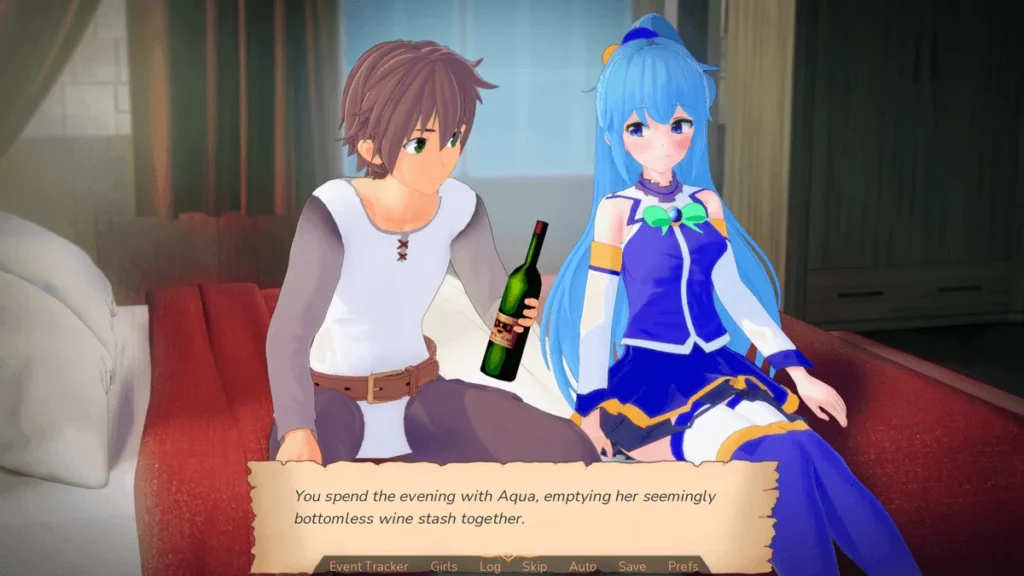
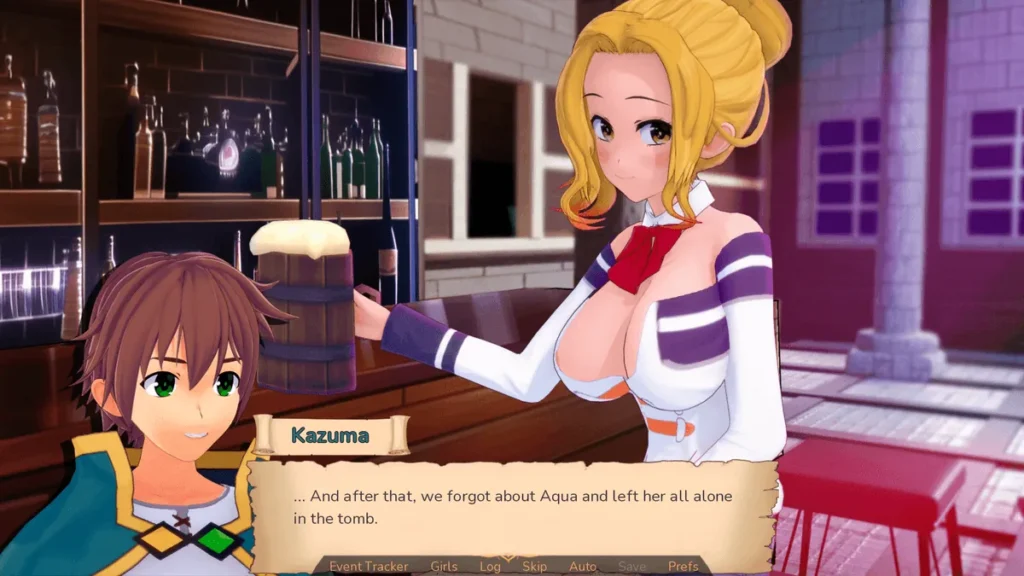
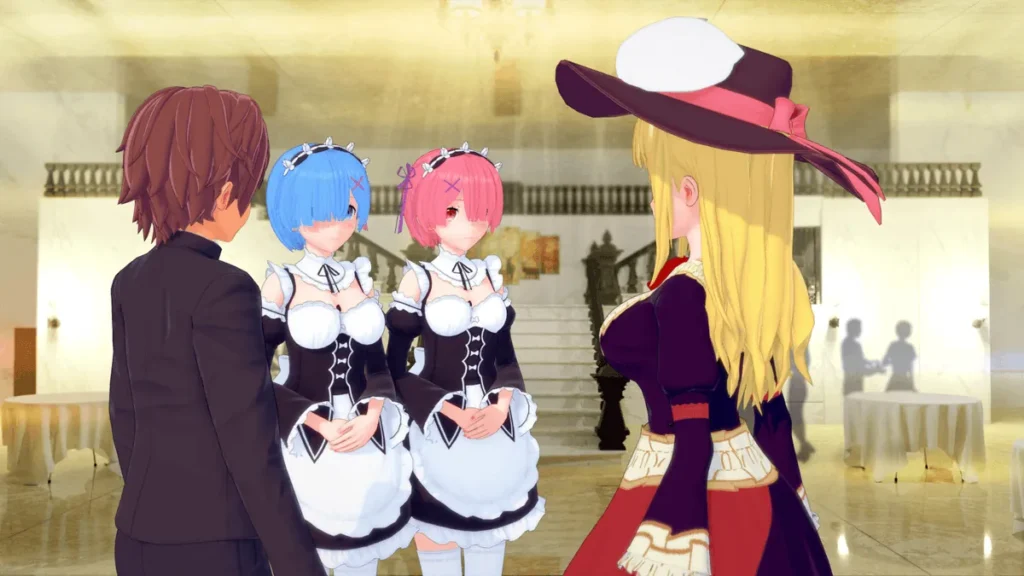

Adventurer Trainer review
Explore gameplay mechanics, character relationships, and story progression in this fantasy dating simulation
Adventurer Trainer is a story-rich fantasy dating simulation with RPG elements that combines meaningful narrative choices with strategic combat gameplay. Set in a universe inspired by popular anime and light novel franchises, the game offers players an immersive experience where they can develop relationships with multiple characters while embarking on adventures and solving mysteries. This comprehensive guide explores the core gameplay systems, character interactions, combat mechanics, and progression features that make Adventurer Trainer a standout title in the visual novel and dating simulation genre.
Gameplay Mechanics and Core Systems
So, you’ve stepped into the vibrant, sometimes perilous world of Adventurer Trainer 🗺️⚔️. Maybe you’re here for the heart-fluttering character moments, the strategic thrill of combat, or the promise of a story shaped by your decisions. The magic of this game is how it masterfully weaves these elements together into one cohesive experience. You’re not just playing a visual novel with occasional fights, or a jRPG with token dialogue. You’re living a fantasy life where every conversation can strengthen a bond for the next battle, and every battle victory can unlock a new, intimate story scene. This chapter is your map to understanding that synergy. We’re breaking down the core gameplay mechanics that make Adventurer Trainer so uniquely engaging.
Combat System and Battle Mechanics
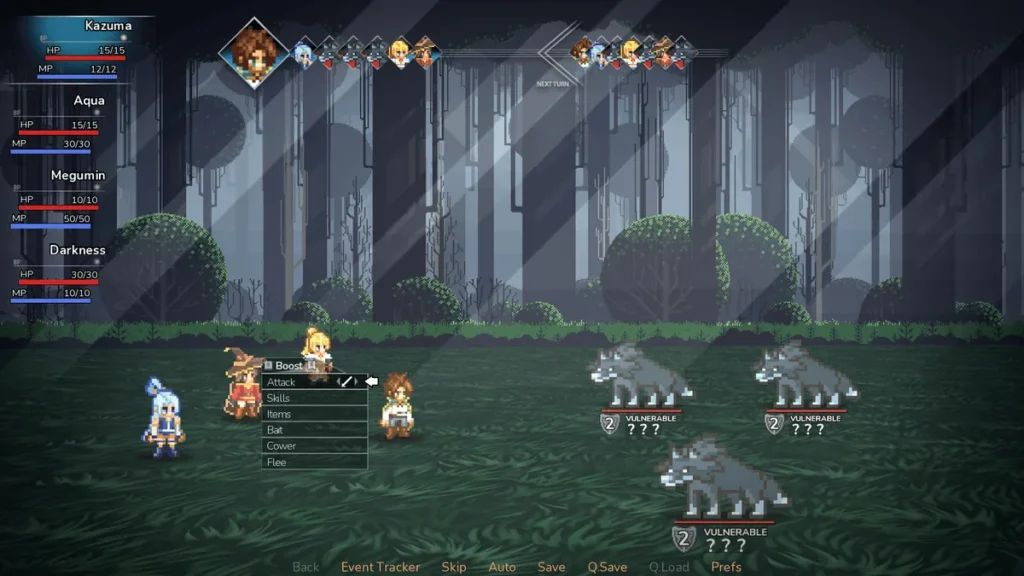
Let’s talk about the elephant in the room—or rather, the slobbering cave troll you need to defeat. When I first booted up Adventurer Trainer, I’ll admit I braced for a simplistic, almost token combat system. You know the type: a bare-bones rock-paper-scissors affair that just acts as a gatekeeper between story beats. Boy, was I wrong. The Adventurer Trainer combat system is a deep, satisfying, and strategic beast in its own right, heavily inspired by classic turn-based jRPGs. If you’ve ever lost an hour strategizing in games like Octopath Traveler, you’ll feel right at home here.
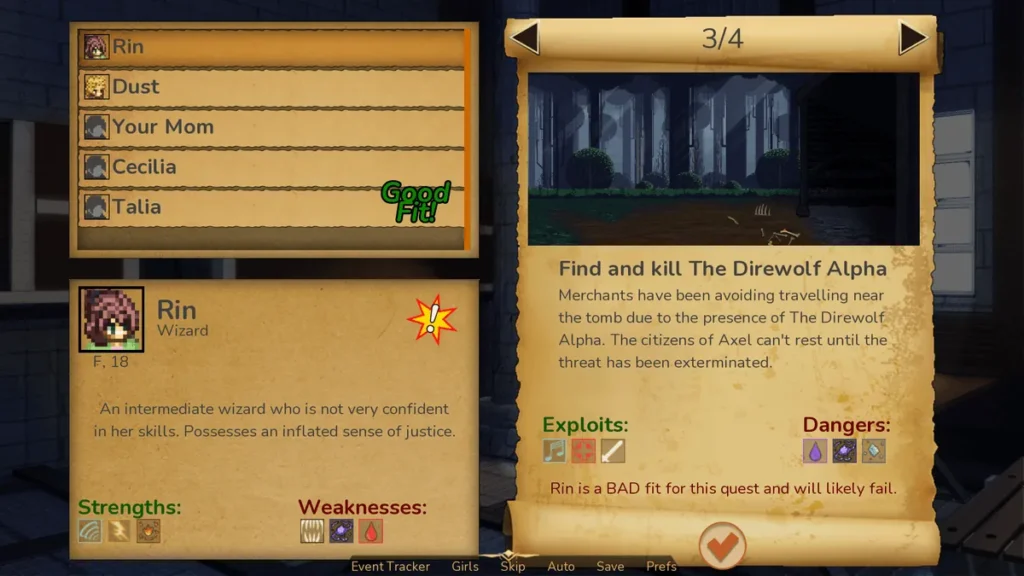
At its heart, it’s classic turn-based combat gameplay 👑. Your party of characters and the enemies take turns based on their speed stats. But the depth comes from the synergy between your trainees. Each character has a defined role—like the stalwart Guardian who taunts enemies and shields allies, or the agile Spellblade who can exploit elemental weaknesses. The real strategy kicks in with Link Actions. By positioning your characters adjacent to each other on the battlefield, they can perform combo moves. For instance, having your Archer fire a volley while standing next to your Mage might imbue the arrows with frost magic, applying a slow effect. Figuring out these synergies is half the fun!
Pro Tip: Don’t just spam the “Attack” command! The enemy’s defense stat can make basic attacks feel useless. Always scan enemies at the start of battle to find their elemental or physical weaknesses, and coordinate your team’s skills to break their guard.
The Adventurer Trainer battle mechanics also include a nuanced “Break” system. Enemies have a shield gauge that depletes when you hit them with the attacks they’re weak against. Once broken, they take massively increased damage and lose their turn. Managing this break gauge is crucial for tougher boss fights, forcing you to think several moves ahead. And for when you’re grinding or just want a snappier pace, the Fast Mode is a godsend. A simple toggle drastically reduces ability animations and transition times, making battles fly by without sacrificing the tactical depth.
But here’s the beautiful part: this isn’t a separate mini-game. The character relationship system feeds directly into your combat effectiveness. A character you’ve grown closer to will perform better in battle—unlocking powerful dual techniques, providing supportive banter that grants stat buffs, or even jumping in to take a killing blow for you. It makes every conversation, every gift, and every story choice feel meaningful beyond the narrative.
To visualize how these systems interact across the game’s modes, here’s a breakdown:
| Game Mode / Focus | Primary Mechanics | Relationship Impact | Story Progression Driver |
|---|---|---|---|
| Exploration & Town | Point-and-click navigation, dialogue trees, gift purchasing, side quest acceptance. | **High.** This is where you spend time with characters, learn their stories, and increase affection. | Advances through main quest triggers and side story completion. |
| Combat Encounters | **Turn-based combat gameplay**, Break system, Link Actions, resource management (MP/TP). | **Medium-High.** Affection levels unlock combo moves and battle dialogue. Victory can trigger special relationship scenes. | Required to clear story dungeons and quests. Certain bosses gate major plot points. |
| Visual Novel Story Segments | Branching **visual novel choices**, stat checks (Charisma, Courage, etc.), affection checks. | **Very High.** Choices directly raise/lower affection and lock/unlock character-specific scenes. | **Primary driver.** Your choices here determine which **story progression and routes** you experience. |
Character Relationship Development
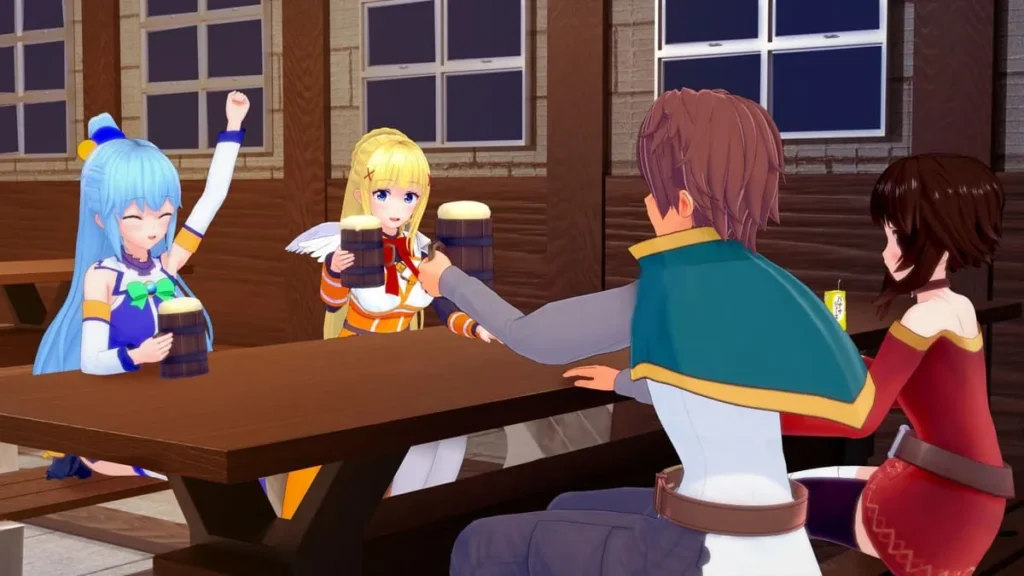
This is where Adventurer Trainer truly sings and where your personal story is written 🎭❤️. The character relationship system is the vibrant, beating heart of the game, far more complex than a simple “like meter.” Each of your potential companions is a fully realized character with their own fears, dreams, and personal story arcs that run parallel to the main plot. Your job as their trainer isn’t just about battle stats; it’s about being a mentor, a confidant, and perhaps something more.
Interaction is multifaceted. You can engage in story-driven dialogues during main quests, seek characters out in town for optional chats, give gifts they’ll love (or hilariously hate), and invite them on special outings. Every action feeds into a hidden affection score. But the game brilliantly ties this to its jRPG gameplay mechanics. A character with high affection will not only open up to you emotionally but will also fight better by your side. They might intercept an attack aimed at you, cheer you on for a critical hit boost, or unlock a devastating dual Limit Break. The line between “social sim” and “RPG” beautifully blurs.
The visual novel choices you make are the primary engine for this system. These aren’t always clear-cut “good vs. bad” options. Sometimes, you’re choosing between being supportive or challenging, professional or personal, cautious or bold. Early on, I tried to be a perfect people-pleaser, agreeing with everyone. This backfired spectacularly with one character who saw my lack of a real opinion as weakness, actually causing our relationship to stagnate! It taught me that paying attention to each character’s personality is key.
Personal Insight: Don’t reload a save just because a choice lowered someone’s affection slightly. Often, these “setbacks” lead to more authentic, conflict-driven scenes later that can strengthen the bond in a deeper way. Let the story be messy sometimes!
Relationships progress through clear stages, often marked by special “Bonding Events.” Reaching a new level might trigger a scene where a character shares a painful memory from their past, asks for your help with a personal goal, or simply shares a quiet moment under the stars. These moments are the game’s reward, and they’re fully voice-acted and beautifully illustrated. Pursuing one character deeply will naturally pull the story toward their associated route, shaping the world-ending crisis through the lens of their personal journey and your shared connection.
Story Progression and Player Choices
If the relationship system is the heart, then the story progression and routes are the skeleton and muscles—the structure that gives everything shape and direction 📖✨. Adventurer Trainer presents a grand, overarching narrative about a world in crisis, but your journey through it is intensely personal. This isn’t a linear tale; it’s a web of possibilities defined by your visual novel choices.
The game is structured around chapters. Each chapter typically involves a main story threat to resolve, which involves exploration, combat, and key story scenes. How you resolve these threats, and more importantly, who you prioritize spending time with, gradually steers the narrative onto a specific path. About a third of the way into the game, you’ll reach a major branching point. The game doesn’t scream “CHOOSE YOUR LOVE INTEREST NOW!” in a menu. Instead, it organically checks your affection levels and previous major choices. The character you’ve bonded with the most will become the central focal point for the remainder of the plot, unlocking their unique route.
A “route” is more than just a different ending cutscene. It means entire story chapters dedicated to that character’s personal arc, dungeons related to their backstory, and a finale that resolves the main conflict in a way that ties directly to your relationship. The world-threatening villain might have a completely different motive or connection to your chosen partner. This makes replayability enormous. Seeing how the same core events play out from another character’s perspective feels like discovering a whole new game.
Your agency is reinforced through stat checks beyond affection. Traits like Courage, Wisdom, and Empathy are raised through your choices in dialogue and actions during quests. A high enough Courage stat might allow you to charge in and save a villager during a cutscene, while high Wisdom might let you decipher an ancient text for a clue no one else finds. These checks often provide alternative, and sometimes superior, solutions to problems, rewarding you for role-playing a consistent character.
Case Study: In my first playthrough, I focused on the brilliant but cynical Mage. Because I’d built high Wisdom and her affection, I unlocked a route where we solved the crisis through ancient knowledge and a strategic ritual, avoiding a final, cataclysmic battle. On my second run with the honorable Knight, my high Courage stat led us to a heroic, direct confrontation against the same threat—a totally different tone and finale!
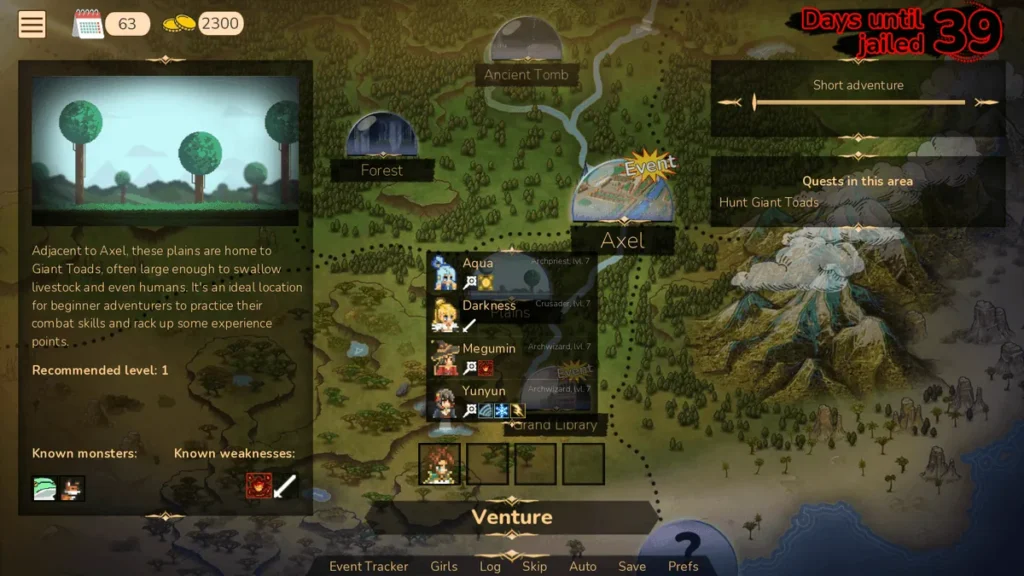
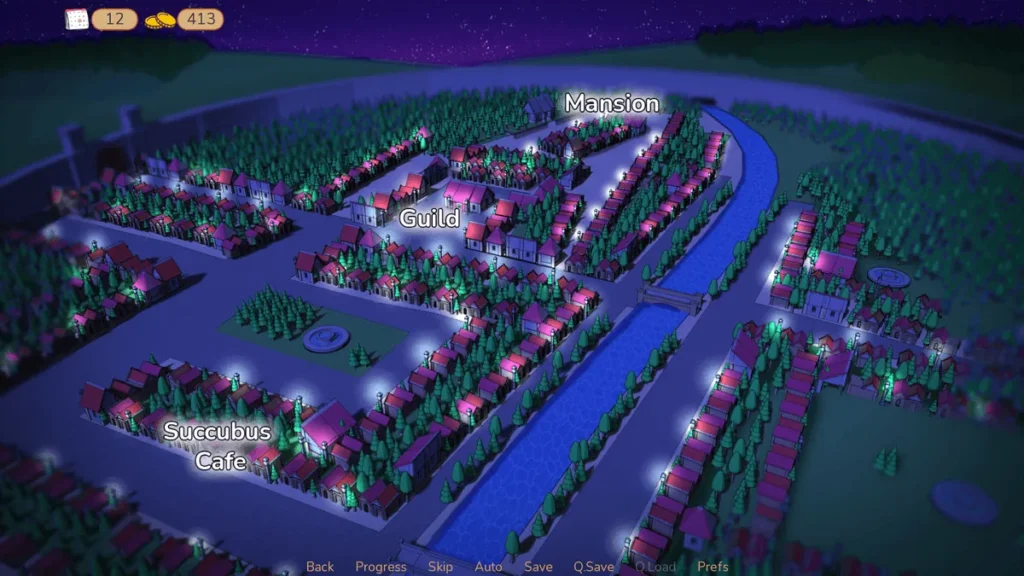
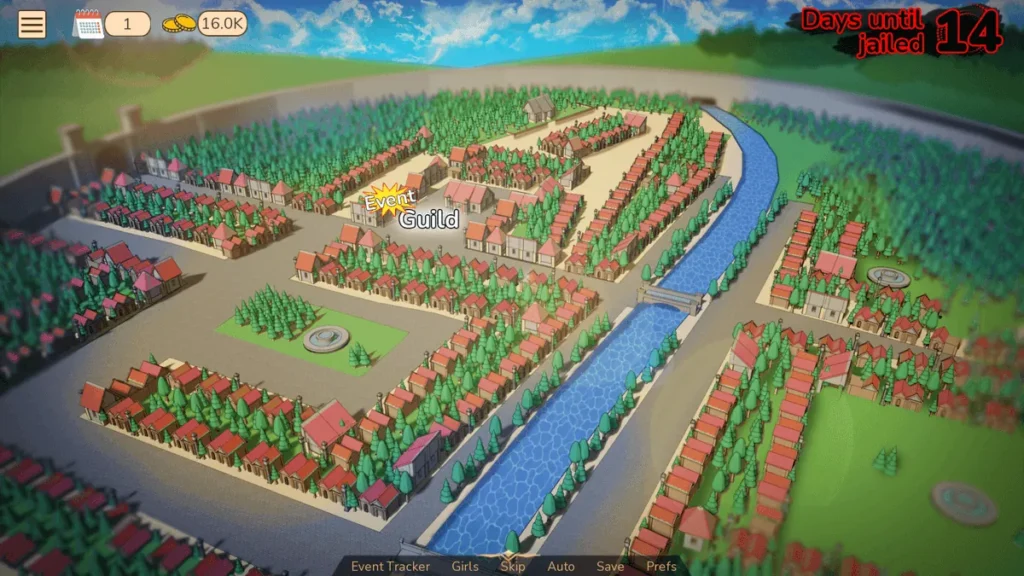
Navigating the game world is a seamless cycle. You’ll move from the visual novel-style story scenes in town 🏘️, to exploration and combat in dungeons and the world map 🗺️⚔️, back to town to decompress and grow your relationships. The jRPG gameplay mechanics of leveling up, finding new gear, and mastering combat strategies exist in perfect harmony with the narrative pull of the character stories. You fight to protect what you’ve built in those quiet moments, and those quiet moments give you a stronger reason to fight.
- Key Gameplay Features & Systems in Adventurer Trainer:
- A deep, strategic turn-based combat gameplay system with Break gauges and positional Link Actions.
- A rich character relationship system where affection directly influences combat prowess and unlocks personal story arcs.
- Meaningful visual novel choices that affect stats, relationships, and the core narrative direction.
- Branching story progression and routes, offering vastly different perspectives and endings based on your key bonds.
- Seamless integration of life-sim, visual novel, and jRPG gameplay mechanics in a single fantasy world.
- A Fast Mode to expedite combat animations without sacrificing tactical depth.
- Stat-based checks (Courage, Wisdom, etc.) that provide alternative solutions and role-playing opportunities.
- A rewarding cycle of exploration, combat, and social interaction that makes every play session feel productive.
In the end, Adventurer Trainer understands that the most compelling fantasy isn’t just about saving the world—it’s about who you save it for, and who stands by your side. By masterfully linking its Adventurer Trainer battle mechanics with its emotional character relationship system, it creates an experience where every decision, in dialogue or in battle, carries weight. Your journey is truly your own. Now go on, Trainer. Your party—and your story—awaits.
Adventurer Trainer successfully blends visual novel storytelling with engaging RPG mechanics to create a unique gaming experience. The combination of meaningful player choices, strategic combat, and character-driven narratives gives players multiple reasons to explore different story routes and character relationships. Whether you’re drawn to the jRPG combat system reminiscent of Octopath Traveler or the intricate relationship development mechanics, Adventurer Trainer offers substantial content for players seeking a story-rich fantasy adventure. The game’s emphasis on player agency through dialogue choices and the branching narrative structure ensures that each playthrough can feel distinctly different, encouraging exploration of all available character routes and story outcomes.