Demons of the Hearth
Play Demons of the Hearth
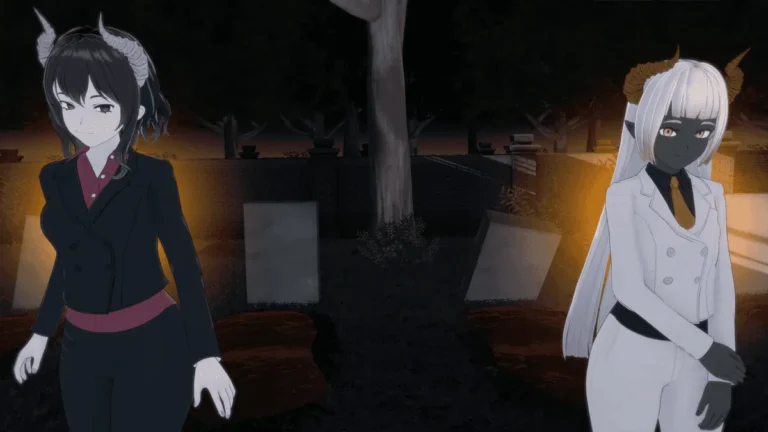
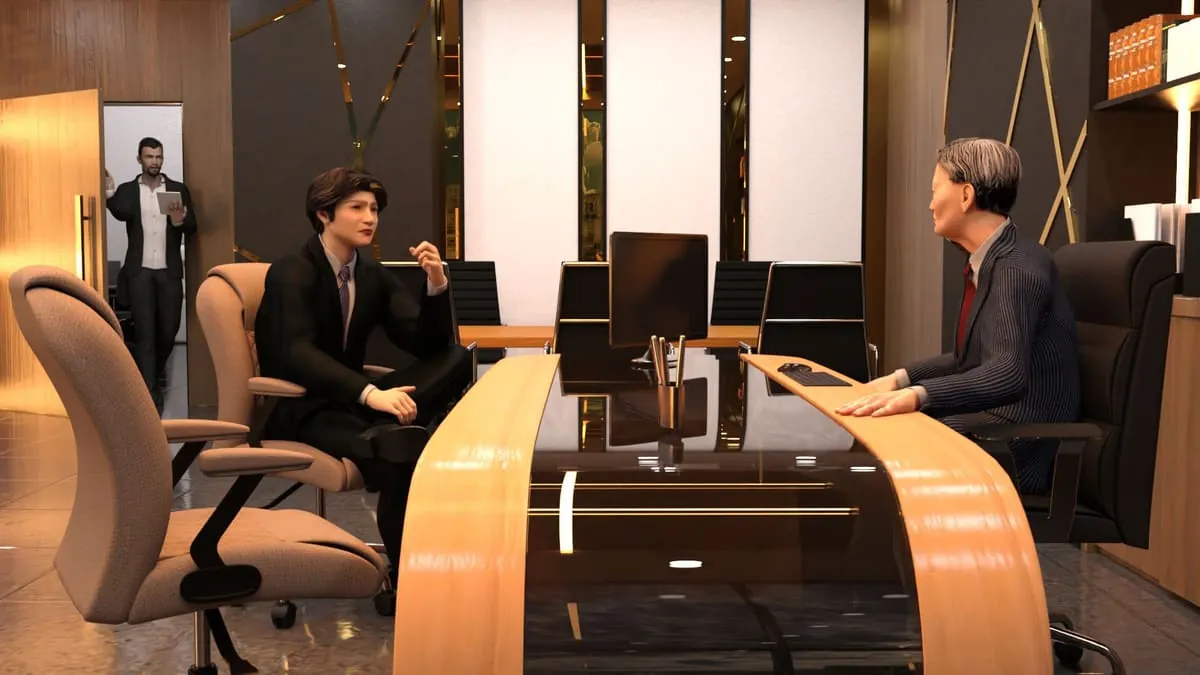
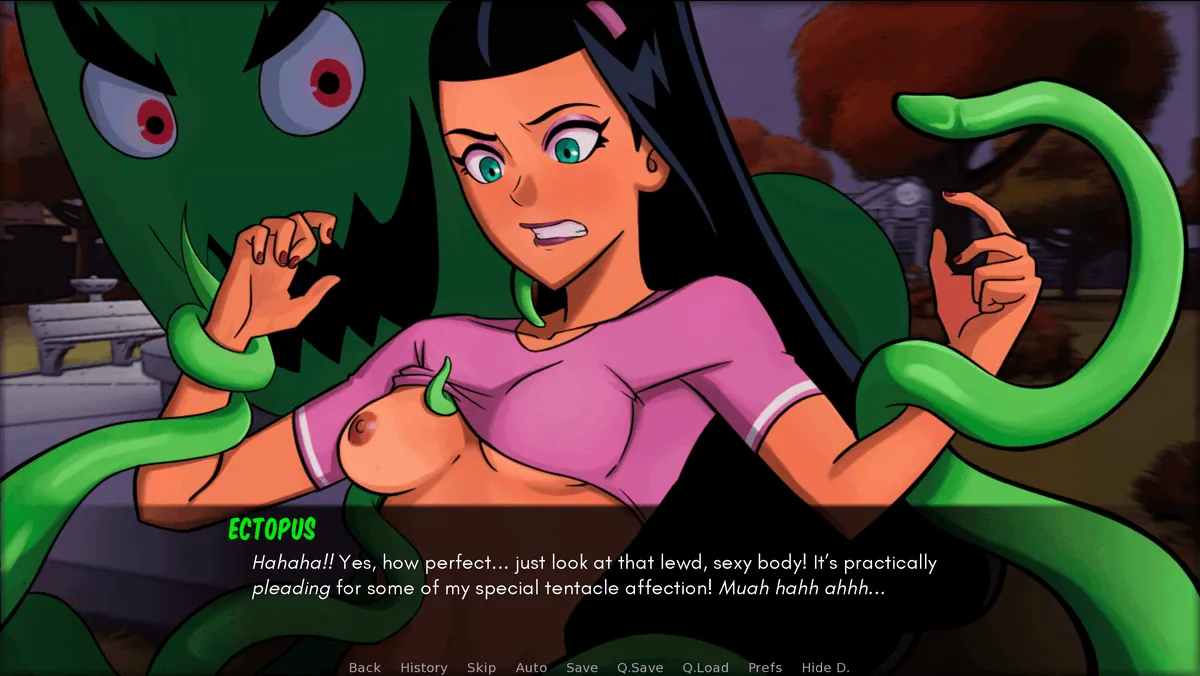
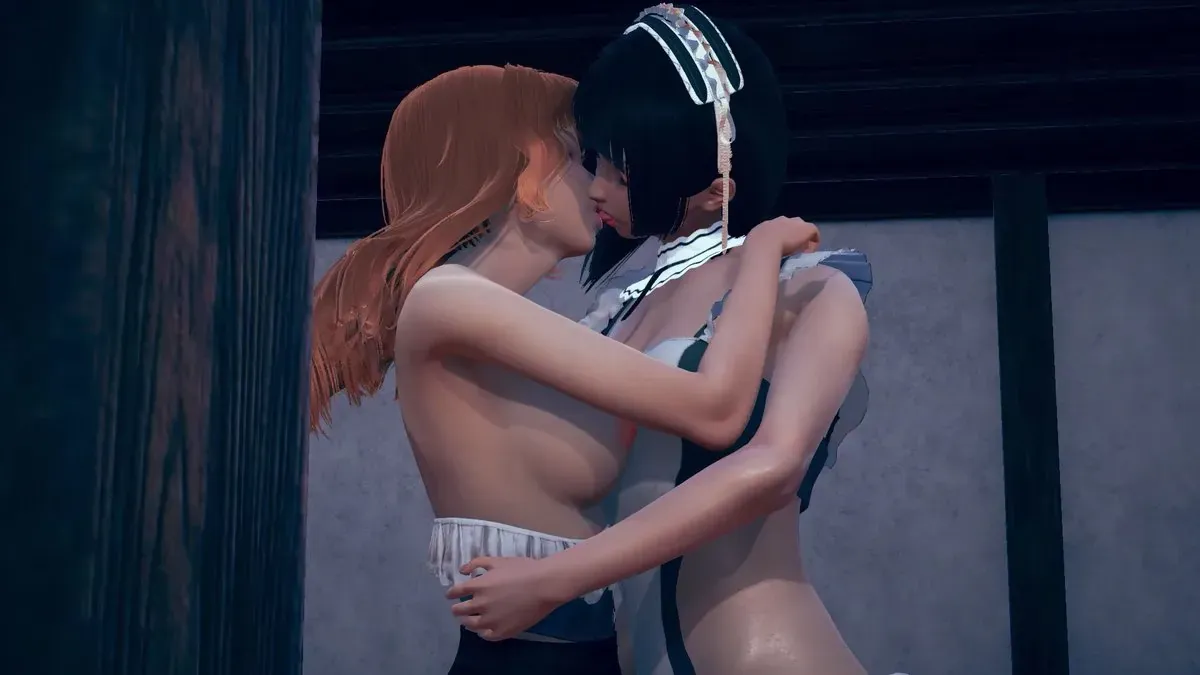
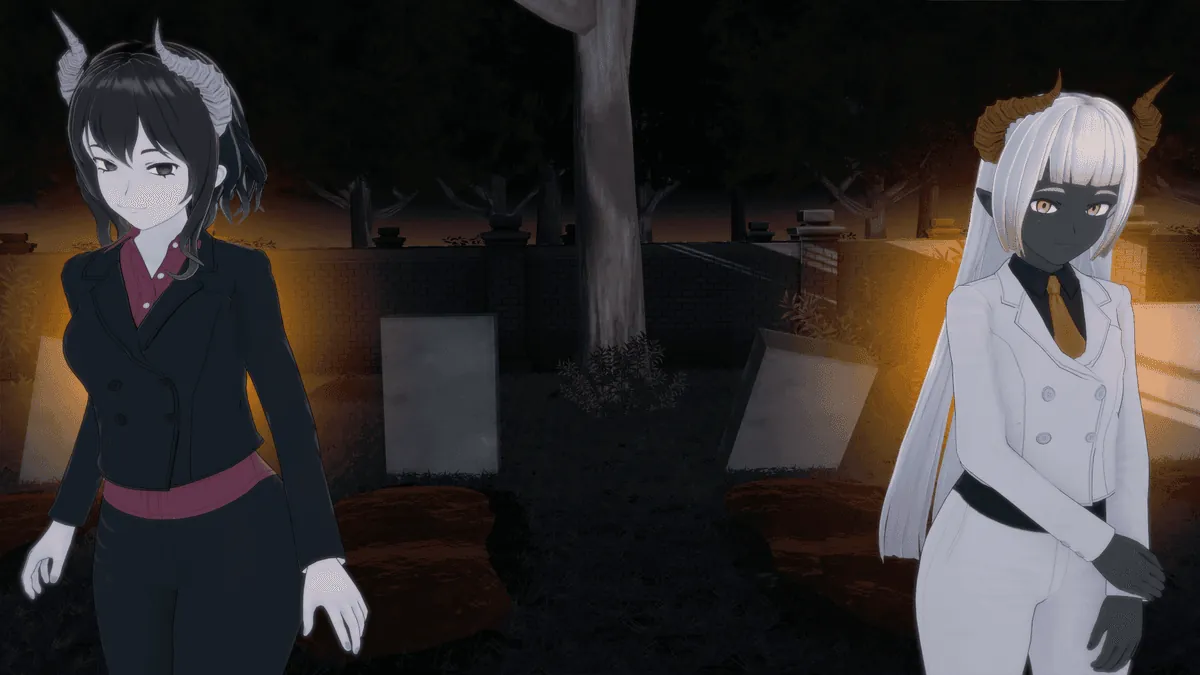
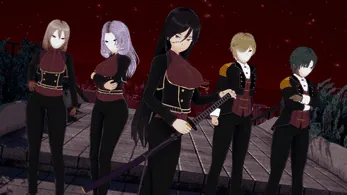
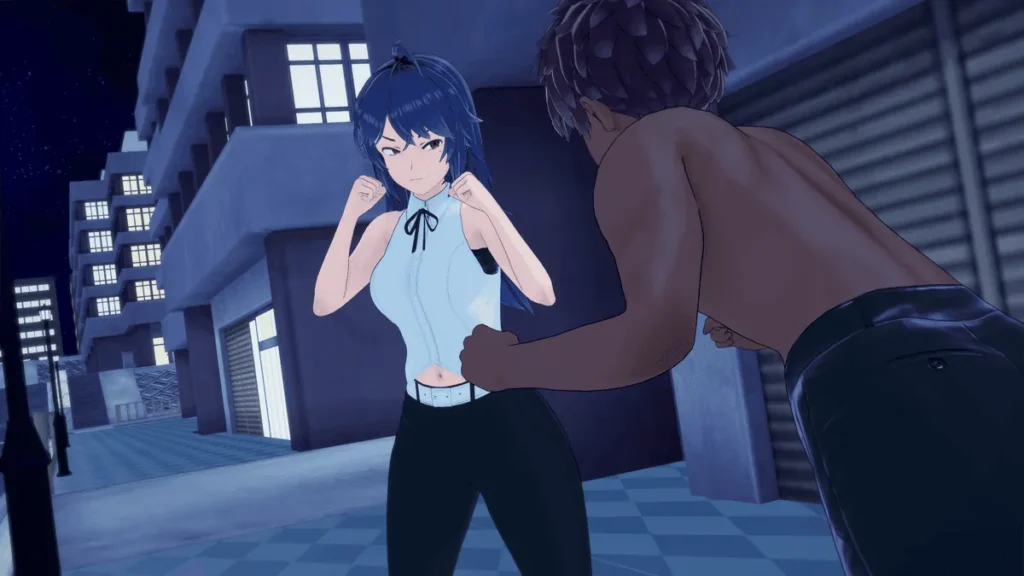
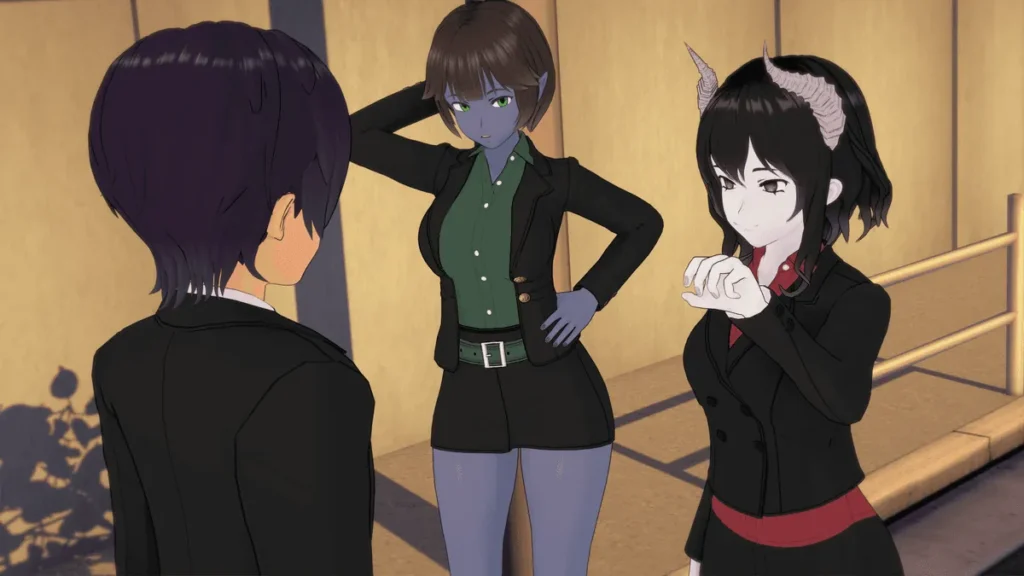
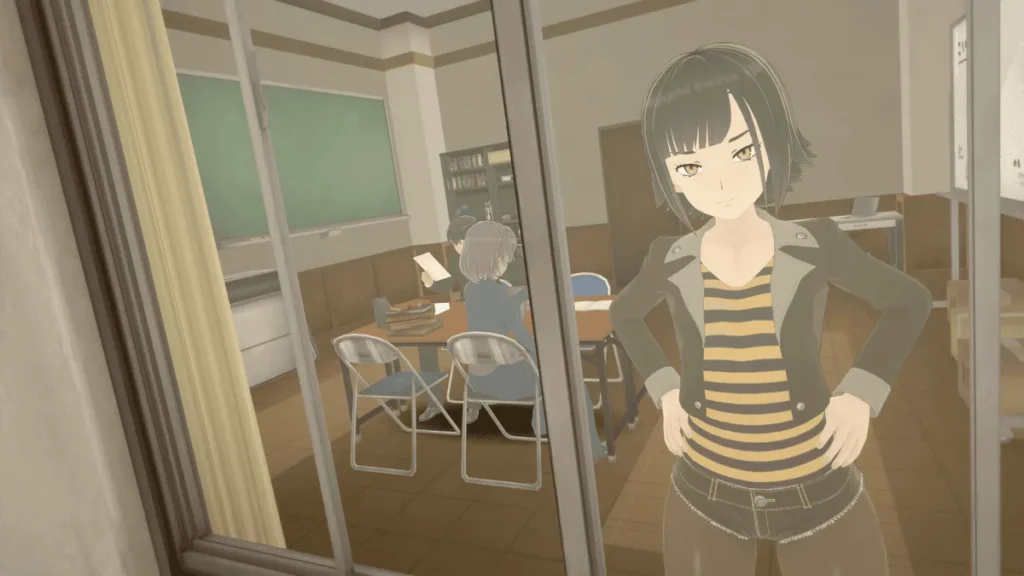
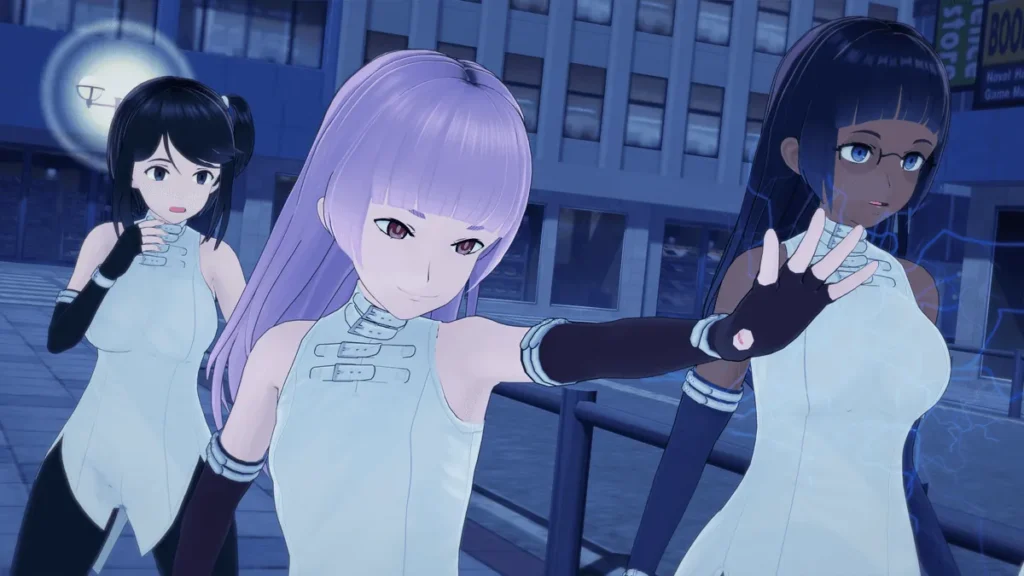
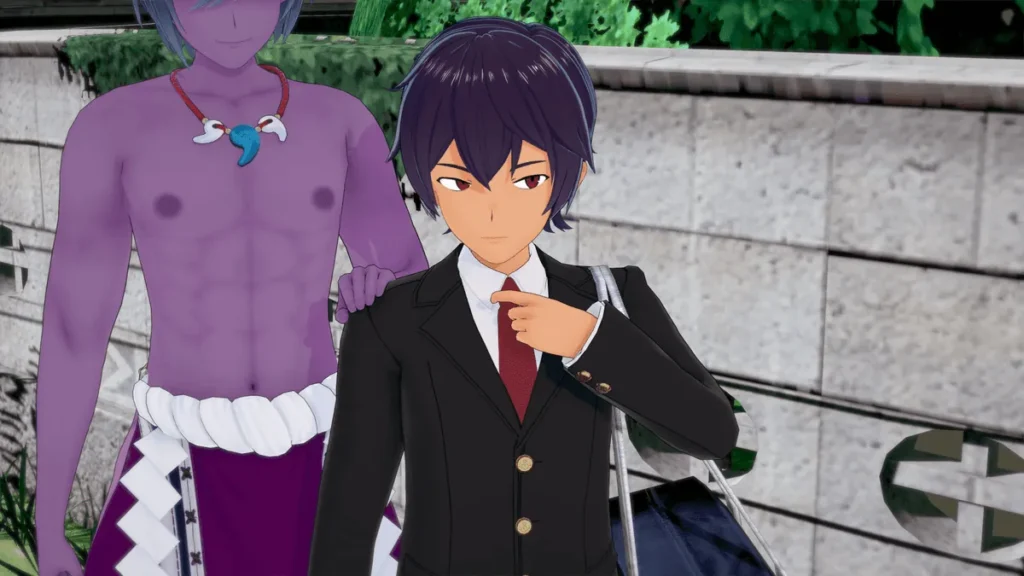
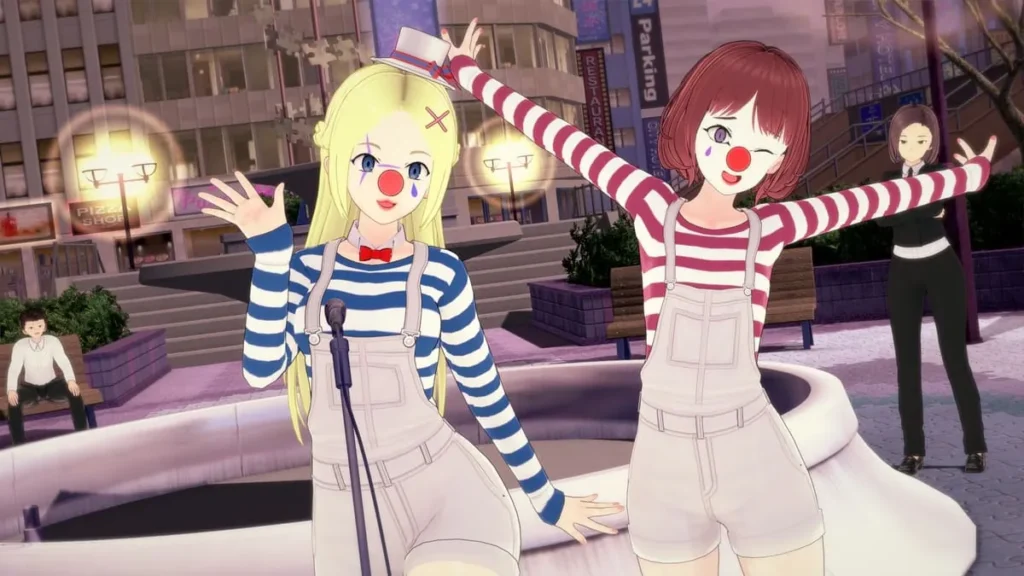
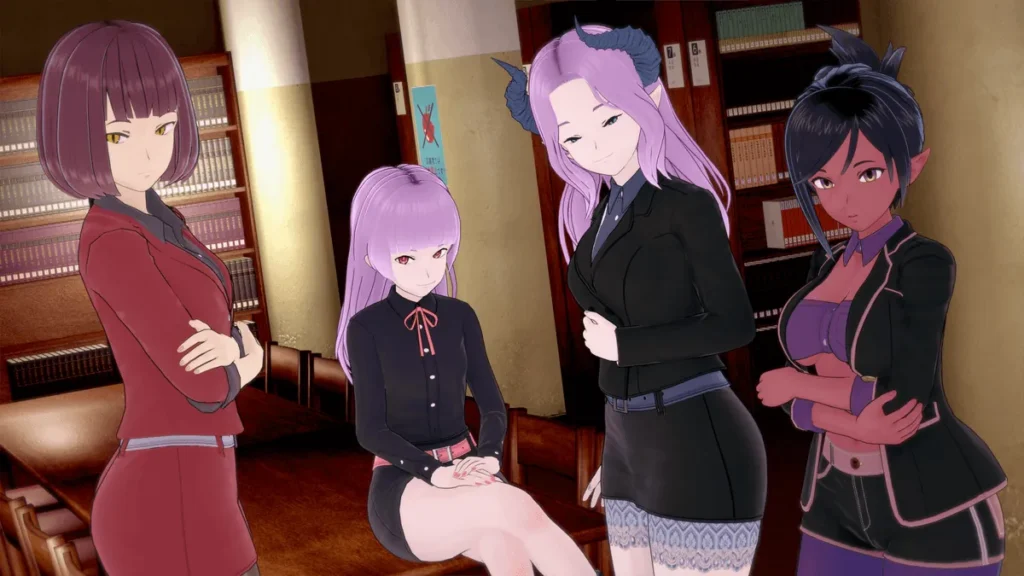
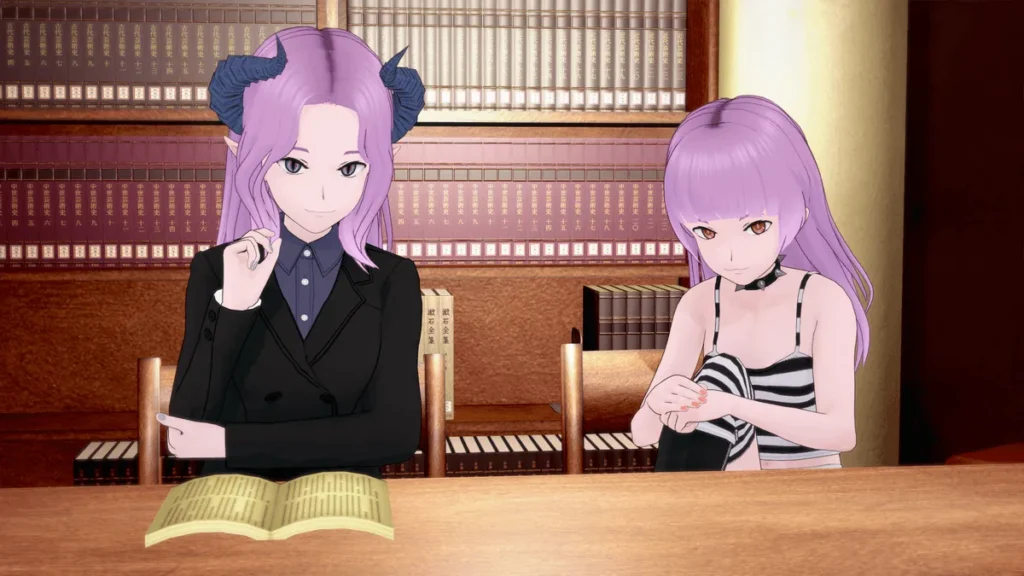
Demons of the Hearth Screenshots
Demons of the Hearth review
Explore the narrative choices, character dynamics, and gameplay mechanics of this acclaimed visual novel thriller
Demons of the Hearth stands out as a critically acclaimed visual novel thriller that has garnered significant praise from players worldwide. This interactive narrative experience combines compelling character development with meaningful choice-based gameplay that shapes your journey throughout the story. Whether you’re new to visual novels or a seasoned player, understanding the core mechanics, character dynamics, and what makes this title special will enhance your appreciation of this underrated gem. This guide explores the essential elements that make Demons of the Hearth a standout experience in the visual novel genre.
Understanding Demons of the Hearth Gameplay and Mechanics
Let me tell you about the first time I played Demons of the Hearth. I sat down, expecting a passive story, and within minutes I was leaning forward, my controller forgotten, completely absorbed by a simple yet terrifying prompt: How do you respond to your sister’s accusation? The game wasn’t asking me to solve a puzzle or win a fight; it was asking me to navigate a fragile, crumbling family dynamic. That’s the heart of the Demons of the Hearth gameplay experience. It’s not about what you do, but who you are in the face of creeping dread and painful memories.
This acclaimed visual novel thriller masterfully blends interactive narrative choices with cinematic storytelling, creating a deeply personal horror. Your agency is your greatest tool and your biggest vulnerability. Every whispered conversation, every evaded question, and every moment of trust or betrayal directly scripts your unique path through the nightmare. This chapter is your guide to understanding those pivotal systems—the how and why of your journey through a haunted home.
How Choice-Based Gameplay Works 🎮
At its core, the Demons of the Hearth gameplay loop is elegantly simple, yet profoundly complex in its consequences. You are not controlling a character in the traditional sense; you are shaping their psyche and relationships through a series of deliberate, often stressful, decisions. The visual novel choice system here is the engine of the entire experience.
Think of it as being the director and lead actor simultaneously. The game presents you with scenes—tense family dinners, private conversations in dusty rooms, moments of quiet reflection—and within them, decision points. These aren’t always grand, world-altering prompts. More often, they are subtle:
* How do you deflect a prying question from your mother?
* Do you confront your brother about the strange noises, or pretend you heard nothing?
* When offered a drink to “calm your nerves,” do you accept, refuse politely, or refuse aggressively?
Here’s a quick list of the key mechanics that define this branching narrative gameplay:
- Reactive Dialogue Choices: Your primary tool. Responses range from empathetic, hostile, evasive, or truthful.
- Timed Decisions: Many choices have a timer, forcing instinctive, gut-reaction answers that feel more real.
- Relationship Meters (Hidden): While not displayed with visible numbers, the game meticulously tracks affinity with each family member based on every interaction.
- Environmental Attention: Deciding when to examine an object or if to mention it in conversation can unlock new dialogue paths.
- The “Trust” Spectrum: Your choices don’t just build relationships; they define your character’s inherent trust in others versus their growing paranoia.
The genius lies in how these systems interlock. A choice that seems minor in Chapter 1 can echo loudly in Chapter 4, reopening old wounds or providing an unexpected ally. The visual novel choice system is less about picking a “good” or “bad” path and more about deciding which emotional truths your character can bear to expose, and which demons they choose to acknowledge.
| Choice Type | Example Prompt | Potential Short-Term Effect | Potential Long-Term Narrative Branch |
|---|---|---|---|
| Empathetic | “I understand why you’re scared.” | Character opens up, shares a clue. | Unlocks a supportive subplot, may lead to a joint investigation later. |
| Confrontational | “Stop lying to me! What did you see?” | Character becomes defensive, conversation ends. | Character withholds future information, may become an active obstacle. |
| Evasive | “I don’t want to talk about the past.” | Tension is defused but suspicion grows. | Keeps a storyline dormant until a catalyst event forces it open. |
| Truthful (Risky) | “I saw the shadow in the hall last night.” | Mixed reactions; some may believe you, others will question your sanity. | Directly accelerates the supernatural plot; allies and foes are identified early. |
My personal insight? There are no “safe” choices, only authentic ones. On my first playthrough, I tried to be the perfect, reconciling family member, smoothing over every argument. This ironically led to one of the most isolating and paranoid endings, where no one truly trusted me because I was never real with them. The game’s decision-based storytelling punishes disingenuousness.
Character Interaction and Decision Points 👥
This is where Demons of the Hearth truly shines. The character interaction mechanics are not separate from the story; they are the story. Every family member is a locked box, and your choices are the keys—but some keys will break the lock forever.
Each character has their own history, fears, and secrets that directly influence how they perceive your actions. Your stoic father will respect blunt, logical answers but will shut down emotional pleas. Your artistic sister might respond better to metaphorical or intuitive responses. Learning these unspoken rules is a meta-game in itself, a process of psychological profiling that makes every conversation feel like a high-stakes negotiation.
Pro Tip: Pay attention to the soundtrack shifts during conversations. A dissonant, subtle fade-in often underscores when a character is being deceptive or when a choice carries more hidden weight than it appears. The music is a silent guide to the subtext.
The decision points are carefully placed at moments of peak emotional or narrative tension. They often force you to choose between two compelling but conflicting values: Truth vs. Harmony, Curiosity vs. Safety, Family Loyalty vs. Personal Sanity.
Let me give you a concrete example from my own playthrough. In Chapter 2, I found a hidden, torn photograph of my brother as a child, standing in front of a boarded-up fireplace no one ever mentions.
- Choice A (Confront): Immediately show him the photo and demand an explanation.
- Choice B (Investigate): Keep the photo hidden and ask my mother subtle questions about that room later.
- Choice C (Ignore): Put the photo back and never mention it, deciding some secrets are better left buried.
I chose Option A, thinking honesty was best. The result? My brother, terrified and cornered, angrily accused me of snooping and refused to speak to me for the next two in-game days. This locked me out of his personal storyline, making me reliant on other, less reliable characters for information about the house’s history. My friend chose Option B. By approaching the mother first, she learned a piece of the family tragedy that, when later gently presented to the brother, made him break down in tears and confess a crucial piece of the puzzle, making him a steadfast ally.
This single interactive narrative choice created a massive fork in our Demons of the Hearth story progression. It altered my available allies, changed the emotional tone of key scenes, and ultimately led us to completely different revelations about the core mystery. This is the power of its character interaction mechanics—they make the narrative deeply yours.
Narrative Progression and Story Structure 📖
The Demons of the Hearth story progression is a masterclass in pacing and player-led discovery. It’s designed like a funnel: starting wide with establishing character dynamics and slowly, inexorably, narrowing the focus toward the haunting central truth based on your decisions.
The game is famously structured around a pivotal shift. The early chapters are heavily interactive, focused on exploration and dialogue. This is where you build (or break) your foundational relationships. Then, around the midpoint (often Chapter 2 or 3, depending on your pace), the experience begins a breathtaking transformation. The branching narrative gameplay starts to coalesce based on the paths you’ve nurtured.
The choices you’ve made determine which clues you found, who trusts you enough to share their piece of the puzzle, and consequently, what version of the truth you begin to uncover. The gameplay seamlessly transitions from frequent choice screens to longer, cinematic story sequences that feel earned. You’re no longer deciding every small action; you’re watching the powerful, directed consequences of your earlier decisions play out. It’s the payoff for your careful (or careless) decision-based storytelling.
This structure creates an impeccable balance between player agency and predetermined story elements. The game’s major plot beats—the haunting’s origin, the family tragedy—are fixed points. However, how you experience them, which characters are with you, what you know by the time you reach them, and the emotional context are entirely fluid. You might reach the final confrontation in a state of grim understanding with a loyal sibling by your side, or alone, paranoid, and grasping at fragments of the truth, making the ending feel like a tragic, inevitable confusion.
The Demons of the Hearth gameplay in these later chapters becomes more about enduring the tension and witnessing the culmination of your journey. The soundtrack deserves a special mention here—it evolves from subtle, environmental ambience into a full, dramatic score that underscores your unique narrative climax, making every ending, whether bittersweet or devastating, feel profoundly personal and resonant.
Practical Advice for Your Journey:
- Play Your First Run Instinctively: Don’t reload saves. Go with your gut. The most powerful experience is living with your unintended consequences.
- Listen, Don’t Just Read: Voice acting and musical cues provide critical context for the weight of a choice.
- Not Every Silence Needs Filling: Sometimes, the best interactive narrative choice is to say nothing at all when a timer appears. Silence is a powerful response.
- Replay is Rewarding: Treat subsequent playthroughs as uncovering new layers of the truth, not as “correcting” mistakes. Aim to forge different alliances.
In the end, Demons of the Hearth understands that the most terrifying demons are often the ones we create through silence, lies, and fractured love. Its Demons of the Hearth gameplay gives you the terrifying, beautiful power to decide which of those demons you face, and who, if anyone, stands beside you in the dark. Your story is waiting to be written—one careful, heart-wrenching choice at a time.
Demons of the Hearth delivers a unique visual novel experience that combines meaningful player choice with compelling character development and atmospheric storytelling. The game’s strength lies in its ability to balance interactive decision-making with cinematic narrative progression, creating an engaging experience that evolves as you advance through the story. The diverse character cast, thoughtful writing, and immersive soundtrack work together to create an experience that resonates with players long after completion. If you’re looking for a visual novel that respects player agency while delivering a gripping thriller narrative, Demons of the Hearth offers an experience worth exploring. Start your journey today and discover why this title has earned such devoted recognition within the visual novel community.