
Special Request: In the Web of Corruption
Play Special Request: In the Web of Corruption
Special Request: In the Web of Corruption Screenshots

















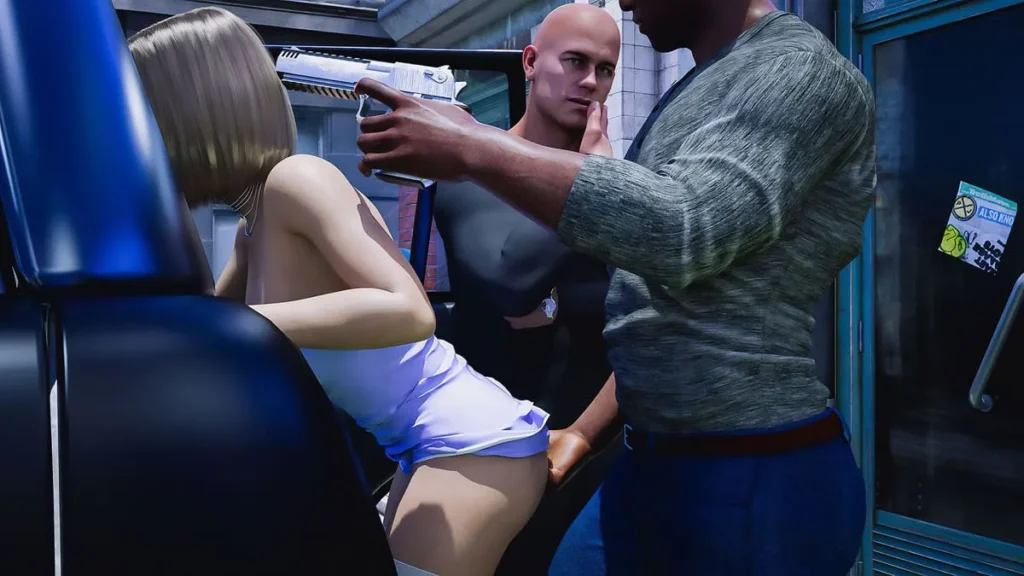








Special Request: In the Web of Corruption review
Complete walkthrough, story analysis, and gameplay mechanics for the interactive visual novel
Special Request: In the Web of Corruption is an interactive visual novel that puts you in control of Laura’s fate as she navigates a dangerous world of corruption and blackmail. This gripping narrative-driven game combines choice-based gameplay with a compelling story about a businesswoman caught in the web of a powerful crime syndicate. Whether you’re looking to understand the game’s mechanics, explore different story paths, or make informed decisions about character relationships, this guide covers everything you need to know about this immersive experience.
Understanding the Story and Setting of Special Request
Let’s be honest—we’ve all been curious about what lurks in the shadows of a glittering city. 🏙️ The world of Special Request: In the Web of Corruption taps directly into that fascination, but with a terrifying twist: you’re not just observing the darkness; you’re being swallowed by it. This isn’t a story about a detective on the outside looking in. It’s about becoming the target, fighting to keep your soul intact while powerful forces try to strip it away.
At its core, the Special Request story plot is a masterclass in modern noir, pulling you into a downward spiral where every choice has a price. You don’t just follow Laura’s journey—you live it, breathe it, and feel the weight of every impossible decision she faces. If you’re ready to dive deep into the narrative machinery that makes this interactive visual novel so gripping, you’re in the right place. Let’s pull back the curtain.
The Plot: Laura’s Journey Through Corruption
Picture this: you’re Laura. Life is good. ☀️ You’ve built a successful business from the ground up, your name is respected, and the future looks bright. Then, one evening, a single, unmarked envelope slides under your office door. Inside isn’t a bill or a fan letter. It’s a “special request.” And it’s not a request at all—it’s a command, wrapped in a threat, from a shadowy organization you never knew existed.
This is how the corruption game storyline begins—not with a bang, but with a chilling whisper that dismantles your entire world. The game brilliantly structures its narrative around a terrifying transition. We start in a sunny, almost idealized environment that represents Laura’s hard-won normalcy. The visual palette is warm, the music light. But as the syndicate’s grip tightens, that world literally darkens. Shadows grow longer, colors drain to muted greys and blues, and the soundtrack shifts to something more tense and ominous. This isn’t just a visual trick; it’s a direct reflection of Laura’s internal state.
The plot unfolds as a series of escalating demands. What starts as a seemingly minor ethical compromise—leaking a non-critical business report—snowballs into being an unwilling participant in serious criminal acts. The genius of the interactive visual novel narrative here is that you, the player, are the one clicking “Agree” or “Refuse.” You feel the immediate relief of choosing compliance, followed by the slow, sickening dread of what you’ve just enabled.
My first playthrough tip: I tried to be a hero from the start, refusing every demand. Let’s just say that path is short, brutal, and teaches you the first hard lesson of this world: outright defiance without allies is suicide. 💀
The discovery of the city’s secrets isn’t presented as a detective puzzle for you to solve. Instead, secrets are forced upon you as tools for the syndicate. You might learn a councilman’s hidden vice not to expose him for justice, but because your handlers want you to use it to make him vote a certain way. This inversion of the classic noir “uncovering the truth” trope is what makes the Special Request story plot so uniquely oppressive. You gain knowledge not to liberate yourself, but to further entangle yourself and others.
The central question of the plot becomes one of resilience and adaptation. Does Laura break under the pressure, becoming a cold, efficient tool for her masters? Or does she find a way to bend, twist, and manipulate the situation from within, seeking a path to sabotage the very machine that’s consuming her? The crime syndicate blackmail game mechanics ensure there are no purely “good” options—only survival strategies with varying moral costs.
Character Development and Relationships
If the plot is the trap, then the characters are the heartbeat—and sometimes the barbed wire—of this experience. Laura character development is the core pillar the entire game rests upon. We don’t meet her as a blank slate or a born fighter. We meet her as an achiever, someone whose identity is built on control, competence, and legal success. Watching that identity shatter is harrowing, but watching what she rebuilds from the pieces is where the true drama lies.
Her development is not linear. One day she might steel herself and make a cunning move; the next, a sudden reminder of her old life might reduce her to a panicked, cornered animal. This makes her profoundly human. Your choices directly steer which traits harden into her new core: calculated ruthlessness, desperate compassion, or a fragile, cynical balance of both.
This evolution is catalyzed entirely by her relationships, which are the most crucial system in this interactive visual novel narrative. Every major character represents a different philosophy of survival in the underworld, and aligning with them changes Laura’s path and available options.
| Character | Their Role & Philosophy | Impact on Laura’s Journey |
|---|---|---|
| Marcus | The “Fixer.” A world-weary insider who believes in working the system with minimal fuss to get by. He sees corruption as a fact of life, like bad weather. | Connecting with Marcus can teach Laura practical survival skills and open backdoor channels, but risks numbing her moral outrage and making her complicit. |
| Anya | The “Ghost.” A hacker and information broker who operates entirely in the shadows. She believes in anonymity, data, and striking from a distance. | Anya offers Laura tools for indirect resistance and knowledge, empowering her but potentially isolating her from human connections needed for larger change. |
| Inspector Reed | The “Compromised Idealist.” A police officer who knows the system is rotten but still believes in justice from the inside. | This relationship is a high-wire act. Trust can provide a powerful ally within the law, but one wrong move can turn him into a deadly enemy. |
| The Voice | Your syndicate handler. Never seen, only heard. Represents pure, impersonal power and control. | Your interactions here define the master-servant dynamic. Subservience may bring temporary safety; subtle defiance may create exploitable cracks in their armor. |
The character relationships choices you make are rarely as simple as “like” or “dislike.” They are investments of trust, limited resources, and shared risk. Choosing to help Anya with a dangerous data steal might earn her unwavering loyalty but burn your bridge with the more cautious Marcus. 🎭 Supporting Inspector Reed’s investigation could empower a force for good, but if the syndicate finds out, the consequences for Laura are catastrophic.
I remember in one playthrough, I poured all my effort into a romantic subplot with a character who seemed like a safe harbor from the storm. It made the moment the syndicate used that relationship against me—threatening them to ensure my compliance—feel like a physical blow. The game doesn’t just threaten Laura; it threatens the connections you choose to value, making the emotional stakes unbearably real.
This is where Laura character development is fully realized. Does she learn to use people as coldly as she is being used? Or does she protect her bonds at all costs, even if it means taking on greater personal danger? The people around her are mirrors, and the reflection they show changes based on your decisions.
The Dark World of Crime and Blackmail
The setting of Special Request is more than a backdrop; it’s an active, suffocating character. The noir setting atmosphere is crafted with meticulous care, dripping with a sense of pervasive moral decay. This isn’t just a city that has crime in it; it’s a city where crime is the foundation, hidden beneath a thin veneer of respectability. The tall, art-deco office buildings don’t symbolize progress; they feel like elegant cages. The constant rain isn’t just weather—it’s a visual metaphor for the inescapable gloom that follows Laura. 🌧️
The power dynamics are the engine of this world. The syndicate itself is a brilliant narrative device in this crime syndicate blackmail game. They aren’t a mob of thugs breaking knees. They are bureaucratic, efficient, and terrifyingly patient. They don’t want a bloody mess; they want a quiet, reliable asset. Their power comes from their limitless resources and their utter lack of empathy. They exploit not just weaknesses, but strengths—they target Laura not because she’s vulnerable, but because she’s capable, connected, and has a life she’s worked hard to build, which gives her so much more to lose.
This creates a constant, low-grade terror. The fear isn’t of a sudden gunshot (though that threat exists), but of the slow, systematic unraveling of your life. A canceled business license here, a leaked scandal there, a friend suddenly turning cold. The game makes you feel the psychological torture of blackmail as much as the physical dangers.
The true cost of survival: In one of my playthroughs, I managed to “win.” Laura ended the game free, wealthy, and safe. But to get there, I had to sacrifice the careers of two innocent colleagues and let a corrupt official walk free to take down a bigger target. The ending screen felt hollow. I survived, but the person I was guiding Laura to become wasn’t someone I liked. That’s the power of this narrative.
The themes of compromise vs. justice are never abstract. They are menu options with immediate consequences. Choosing “justice” might mean a beloved side character suffers. Choosing “compromise” might mean allowing a predatory system to continue, harming countless unseen people. The corruption game storyline forces you to define what “winning” even means. Is it Laura’s personal survival? The destruction of the syndicate? Protecting the few people she cares about? The game offers endings for all these goals, but never all at once.
The noir setting atmosphere culminates in this thematic richness. The classic noir protagonist is often a cynical outsider. Laura inverts this—she’s a cynical insider, forged by a system that co-opted her. The shadows she walks in are ones she was pushed into, and the moral ambiguity of every choice makes you, the player, complicit. You aren’t judging her choices from a distance; you are making them, and then living with the digital ghost of your conscience.
Key Story Turning Points & The Power of Your Choices
The Special Request story plot is designed around major inflection points where your accumulated character relationships choices and Laura’s developed temperament open or slam shut entire narrative pathways.
- The First Refusal: The moment you first push back against a demand, even in a small way, the game shifts. The syndicate’s tone changes from casually commanding to deliberately threatening. This is where you learn the rules of engagement.
- The First Alliance: Choosing to fully trust either Marcus, Anya, or Reed fundamentally branches the story. Marcus’s path is about manipulation and social leverage. Anya’s path is about information warfare and stealth. Reed’s path is a dangerous dance with institutional power.
- The Sacrifice Moment: Midway through, the syndicate will demand something that feels unconscionable—something that directly harms someone innocent you’ve grown to care about. Your decision here (to comply, refuse, or find a third way) solidifies Laura’s evolving persona more than any other.
- The Turning of the Tables: In the late game, if you’ve made the right choices and gathered enough power/leverage, you may get an option to go on the offensive. This isn’t a guaranteed “hero” moment; it’s a high-risk play that can lead to glorious liberation or a final, crushing defeat.
Ultimately, Special Request: In the Web of Corruption understands that the most compelling stories are about transformation under pressure. It’s not just about whether Laura escapes the web, but what kind of creature she becomes by the time she does—or if she decides to become the spider herself. 🕷️ The interactive visual novel narrative gives you the tools to shape that transformation, ensuring that your experience with its dark, captivating world is uniquely, and often unforgettably, your own.
Special Request: In the Web of Corruption stands out as an engaging interactive visual novel that prioritizes meaningful storytelling and character development. The game’s strength lies in its ability to present a compelling narrative about survival and moral compromise while giving players agency in determining Laura’s path through a dangerous criminal underworld. With its well-developed protagonist, complex character relationships, and branching storyline structure, the game offers multiple playthroughs that reveal different facets of the narrative. Whether you’re drawn to the noir atmosphere, the intricate web of corruption and blackmail, or the challenge of making difficult choices with lasting consequences, Special Request delivers an immersive experience that keeps players invested in Laura’s journey from beginning to end.