Summer with Mia
Play Summer with Mia
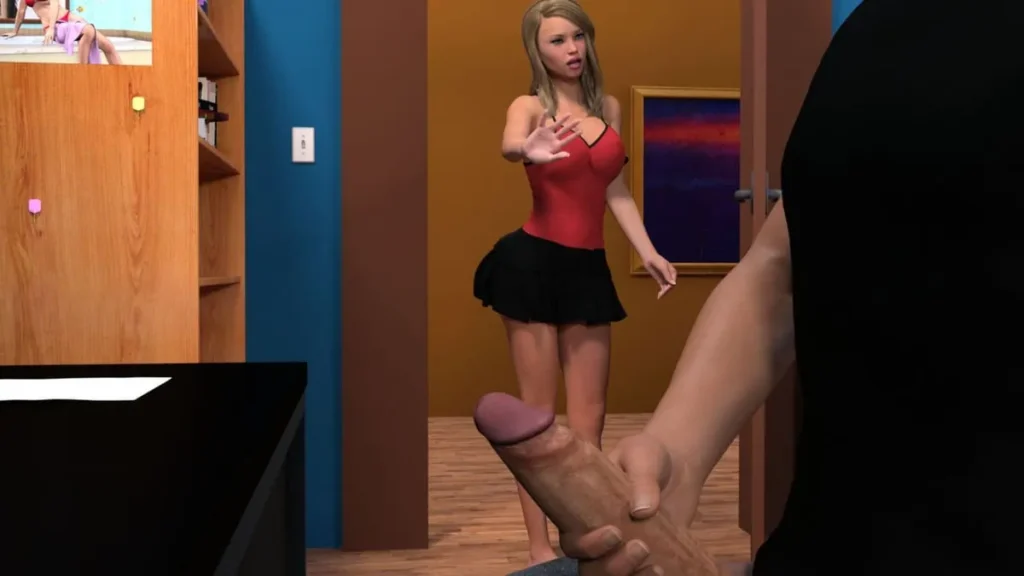
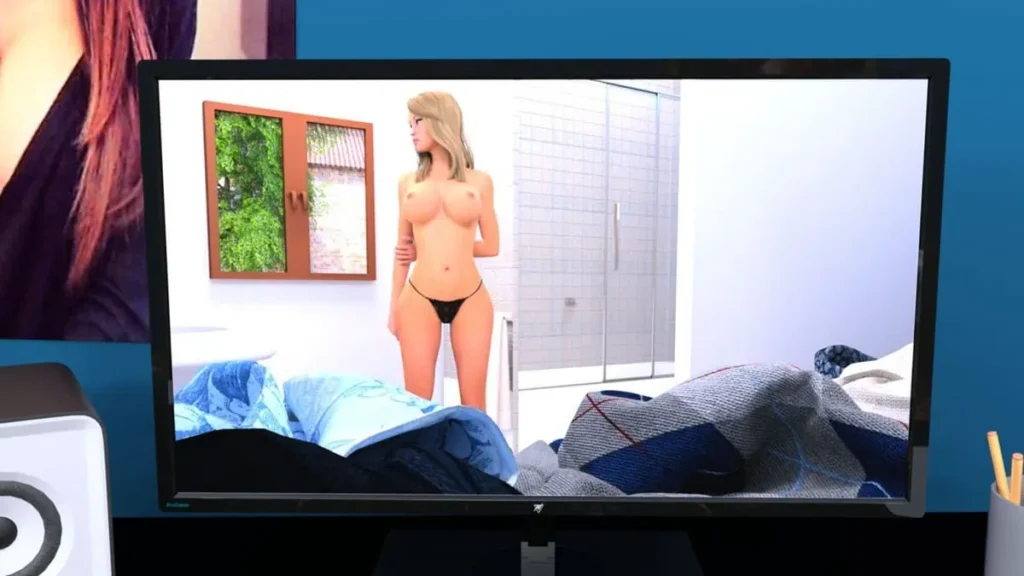
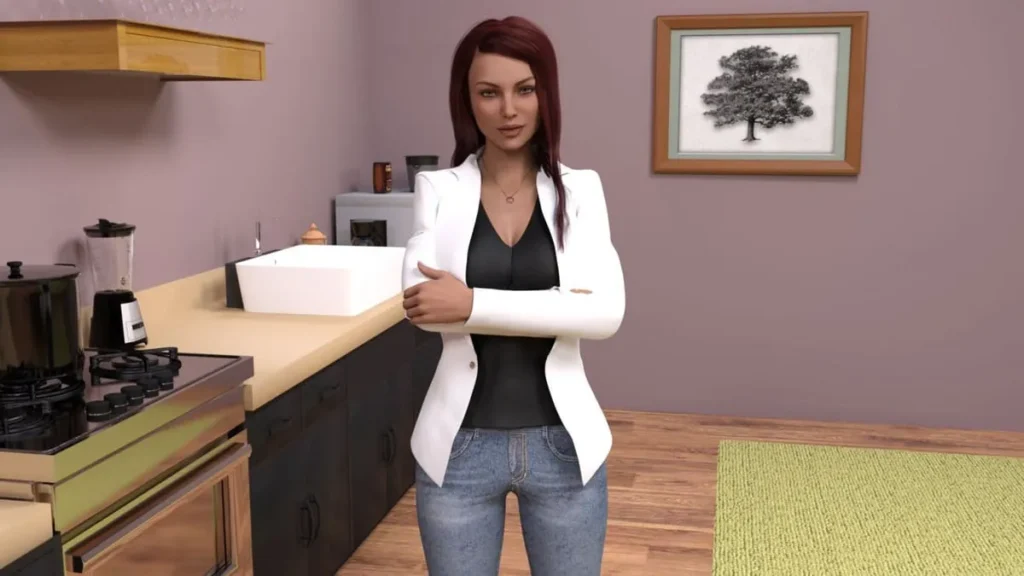
Summer with Mia Screenshots




Summer with Mia review
Explore gameplay mechanics, storyline, and features of this mature visual novel experience
Summer with Mia is a mature visual novel that combines time management, relationship building, and academic challenges into an engaging interactive experience. Released as an alternative take on classic RPG Maker games, this title offers players a unique blend of storytelling and decision-making mechanics. Whether you’re curious about the game’s premise, mechanics, or overall experience, this guide provides everything you need to know about what makes Summer with Mia a distinctive entry in the visual novel genre. The game features customizable character relationships, multiple narrative paths, and mature themes designed for adult audiences.
Game Overview and Core Mechanics
So, you’ve heard the buzz about this game, maybe seen some intriguing screenshots, and you’re wondering what it’s all about. Is it just another dating sim, or is there something more under the hood? 🤔 Let me tell you, as someone who’s spent more hours than I’d care to admit navigating its digital halls, Summer with Mia is a fascinating beast. It masquerades as a simple story but quickly reveals itself to be a surprisingly deep time management game wrapped in the skin of a mature visual novel. Forget everything you think you know about the genre; this one plays by its own rules.
Picture this: You’re home alone for the summer, with the freedom to do almost anything. But instead of just lazy days, you’re faced with a mountain of schoolwork and a web of complex relationships. That’s the heart of the Summer with Mia gameplay experience. It’s not just about clicking through dialogue; it’s about making every in-game day count, balancing books with social links, and dealing with the consequences. It’s a pressure cooker of teenage life, and you’re the one stirring the pot. 🍳
What is Summer with Mia?
Let’s cut straight to the chase. Summer with Mia is an adult-oriented, choice-driven narrative experience built with RPG Maker software. Designed explicitly for players 18 and over, it falls squarely into the mature visual novel category, dealing with themes of relationships, personal agency, and the awkward, intense transition into adulthood.
At its core, the game is a hybrid. It takes the branching storytelling of a classic visual novel and marries it to the resource-management tension of a life simulator. You don’t just watch the story of the protagonist; you live it, making pivotal decisions on how to spend your limited time and energy. Will you crack the books to salvage your grades, or will you explore the evolving dynamics with the people around you? Every choice pulls you down a different narrative path.
The “RPG Maker game” heritage is visible in its presentation and structure. You navigate the protagonist through a top-down world, interacting with characters and objects at specific times and places. This isn’t just a series of static images and text boxes; there’s a tangible sense of space and routine. However, don’t expect traditional RPG combat or exploration. Here, the “role-playing” is entirely social and strategic. You’re playing the role of a teenager trying to manage an incredibly volatile summer, and the “gameplay” is your daily schedule.
Personal Insight: When I first booted it up, I expected a linear story. I was completely wrong. My first playthrough was a disaster—I failed exams, burned bridges, and ended up with a lonely, stressful summer. It was brilliant! The game doesn’t hand-hold; it throws you into the deep end. That initial failure taught me more about the Summer with Mia gameplay loop than any tutorial ever could.
Key Gameplay Features and Systems
This is where Summer with Mia truly separates itself from the pack. It’s not a passive experience. You are actively managing a life, and the systems in place are designed to make that feel both rewarding and punishingly real. The core loop is deceptively simple but deeply engaging.
The heart of the experience is a dual-track system: Academic Pressure vs. Social Entanglement. Each in-game day presents you with a set amount of action points (often representing energy or time slots). You must allocate these precious resources between studying (to pass crucial exams and avoid academic failure) and interacting with the game’s characters. Ignore your studies, and you face game-over scenarios. Ignore the social sphere, and the story stagnates, relationships decay, and you miss out on the narrative branches that make the game so compelling.
Here are the core pillars that define the Summer with Mia gameplay:
- Time Management as a Core Mechanic: This is the engine of the game. Every action—reading a textbook, talking to a character, even resting—consumes time. You are constantly weighing opportunity costs. Choosing to visit the park in the afternoon means that chapter of your physics book goes unread. This creates genuine tension and makes your schedule a powerful expression of your priorities.
- Relationship Building with Meaningful Choices: Conversations are rarely just fluff. Dialogue options can shift affinity, open up new locations or events, and lock you out of others. Characters remember what you say and how you act. This isn’t a simple “nice/neutral/mean” slider; it’s a nuanced relationship building game where your choices weave a unique tapestry of connections, for better or worse.
- Academic Challenges with Real Stakes: The studying mini-games or exam checks aren’t just filler. They are critical gates for story progression. Failing can lead to alternative, often less desirable, story paths or a complete game over. It successfully makes doing homework feel high-stakes, which is quite an achievement!
- Narrative Branching Based on Actions: The Summer with Mia story is not one tale but many. Your performance in exams, your standing with each character, and key decisions at dramatic moments will steer the plot in wildly different directions. There are multiple endings, and seeing them all requires careful planning and different playstyles.
A standout feature, especially given the adult nature of the content, is the Panic Button. Often mentioned in player reviews, this is a quick-save function accessible at almost any time, even during sensitive story moments. It’s a thoughtful inclusion that respects the player’s comfort level, allowing you to create a save point before a decision you might want to revisit, ensuring you never feel trapped in a narrative corner you didn’t intend to explore.
Finally, the game offers a layer of customization in how relationships are perceived and labeled. You can define the nature of your connection with characters, which adds a small but personal touch to the relationship building game aspects, allowing you to role-play your version of the story more precisely.
Story Premise and Setting
Now, let’s set the scene for the Summer with Mia story. You step into the shoes of an 18-year-old protagonist (whose perspective you play from) during what should be a lazy, carefree summer. There’s just one catch: your parents are away on a lengthy trip to France, leaving you home alone with a startling amount of freedom and a looming academic crisis. 🏠✈️
You’re not completely free, however. You’ve fallen dangerously behind in school, and a series of crucial final exams are fast approaching. Fail them, and your future prospects look grim. So, your summer becomes a high-wire act. You must dedicate serious hours to hitting the books, catching up on months of neglected coursework.
Into this pressure cooker walks Mia, among others. The dynamics that develop form the emotional core of this mature visual novel. The “summer” in the title isn’t about beach parties; it’s a metaphor for a condensed, intense period of growth and consequence. The setting is primarily domestic and local—your house, the school, nearby parks—but these familiar locations become stages for significant personal drama.
The narrative thrives on the tension between obligation and desire. The story branches based on where you invest your time. Will you forge a deep, complicated connection with Mia? Will you mend fences with other friends? Or will you become a recluse, buried in textbooks, only to emerge having missed the human experience entirely? The Summer with Mia story is ultimately about the choices that define us during pivotal moments, and how we balance responsibility with the pursuit of connection.
| Category | Specification |
|---|---|
| Primary Platform | PC (Available on platforms like GOG) |
| Genre Classification | Mature Visual Novel, Life Simulation, Time Management Game |
| Age Rating | 18+ (Adults Only) |
| Core Gameplay Loop | Time/Resource Management, Branching Dialogue, Relationship Building, Academic Challenges |
| Key Feature | Panic Button (Quick-Save), Multiple Endings, Customizable Relationship Labels, RPG Maker-style Navigation |
| Narrative Style | Choice-Driven, Branching Paths, Character-Driven Drama |
In essence, Summer with Mia is more than the sum of its parts. It’s a time management game that makes every minute feel consequential, a relationship building game where bonds are fragile and hard-won, and a mature visual novel that isn’t afraid to tackle the messy, complicated emotions of its scenario. Built on an RPG Maker game foundation, it uses that framework not for adventure, but for simulating the delicate dance of a life in balance—or spiraling out of control. Understanding these core mechanics is your first step to surviving, and perhaps even thriving, during this unforgettable summer.
Summer with Mia stands out as a mature visual novel that successfully integrates multiple gameplay systems into a cohesive experience. The game’s combination of time management, relationship dynamics, and academic challenges creates an engaging narrative where player choices genuinely matter. With its customizable character relationships, multiple story paths, and mature storytelling, it offers a distinctive experience for adult players seeking interactive fiction. The game’s availability on platforms like GOG and its thoughtful features like the Panic Button demonstrate developer consideration for player experience. Whether you’re interested in visual novels, narrative-driven games, or interactive fiction, Summer with Mia provides a compelling option worth exploring for mature audiences seeking meaningful choice-driven gameplay.